

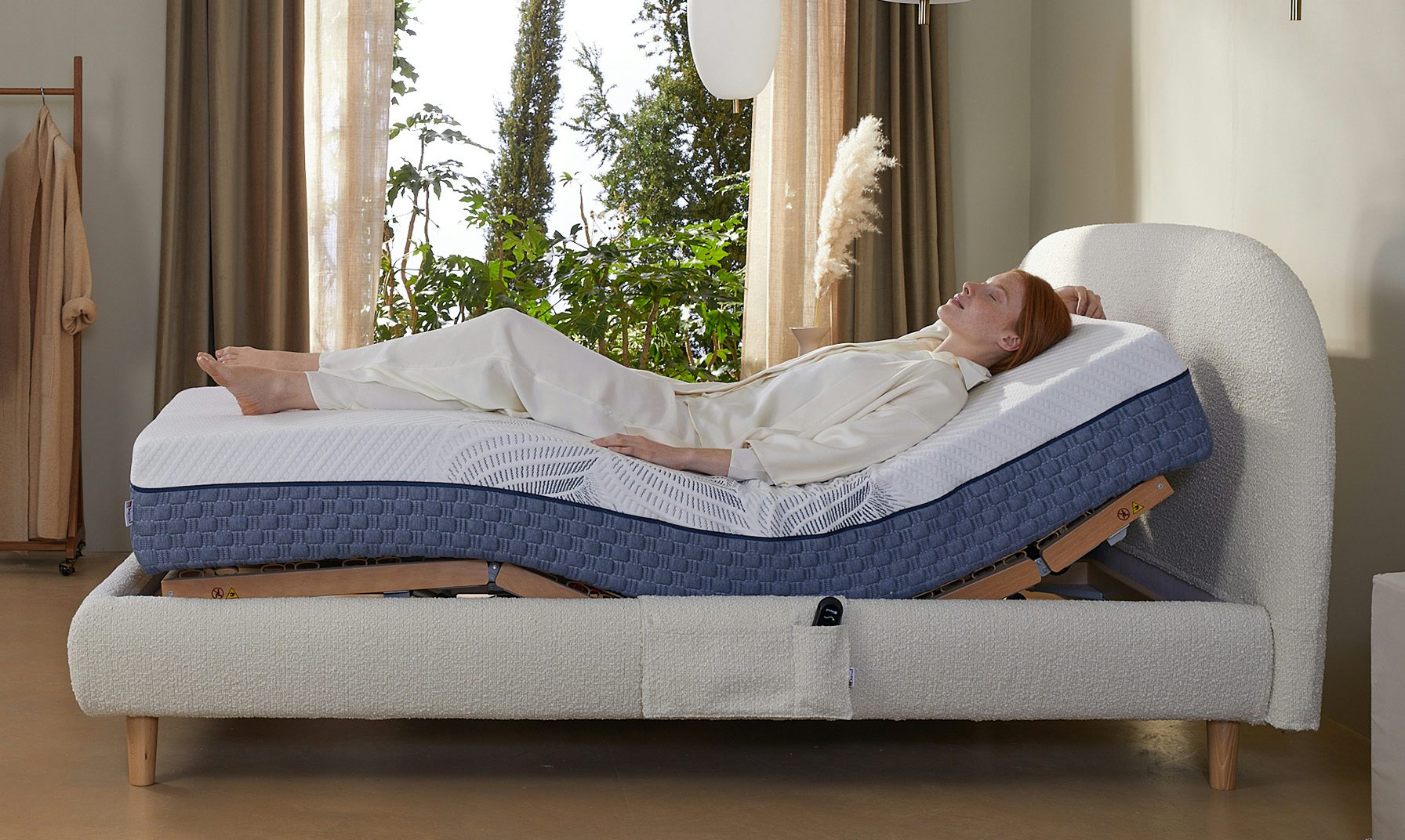
The cost of a double mattress depends on a combination of factors-technology, materials, construction and certifications-that determine not only the purchase price, but the real value that mattress will return to you every night for years to come. In this guide, we help you understand what lies behind the different price ranges, what elements really make a difference, and how to guide you toward making an informed choice.
How much does a double mattress cost: the price ranges
The double mattress market in Italy covers a very wide range, ranging from a few hundred euros to figures over three thousand euros. It is useful to distinguish three main bands.
Low range (€100-500): In this range we find almost exclusively low-density foam mattresses, often made from materials of uncertain origin and without major certifications. Average durability / lifespan is low - 3 to 5 years - and ergonomic support is generally insufficient, especially for those with back pain or sleeping with a partner of widely varying weight.
Middle range (€500-1,500): It is the range where many memory foam mattresses, high density foam o pocket springs of good quality. Construction improves significantly, as does durability / lifespan. However, not all products in this range offer health certifications or verified ergonomic support.
High bracket (€1,500-3,000 and above): This is where mattresses built with certified materials, patented technologies and craftsmanship come in. These products are designed to last 10 years and beyond, provide truly rejuvenating rest and-in the case of mattresses classified as medical devices-offer documented benefits for back spine health. This is the range in which Dorsal predominantly operates.
Factors influencing price
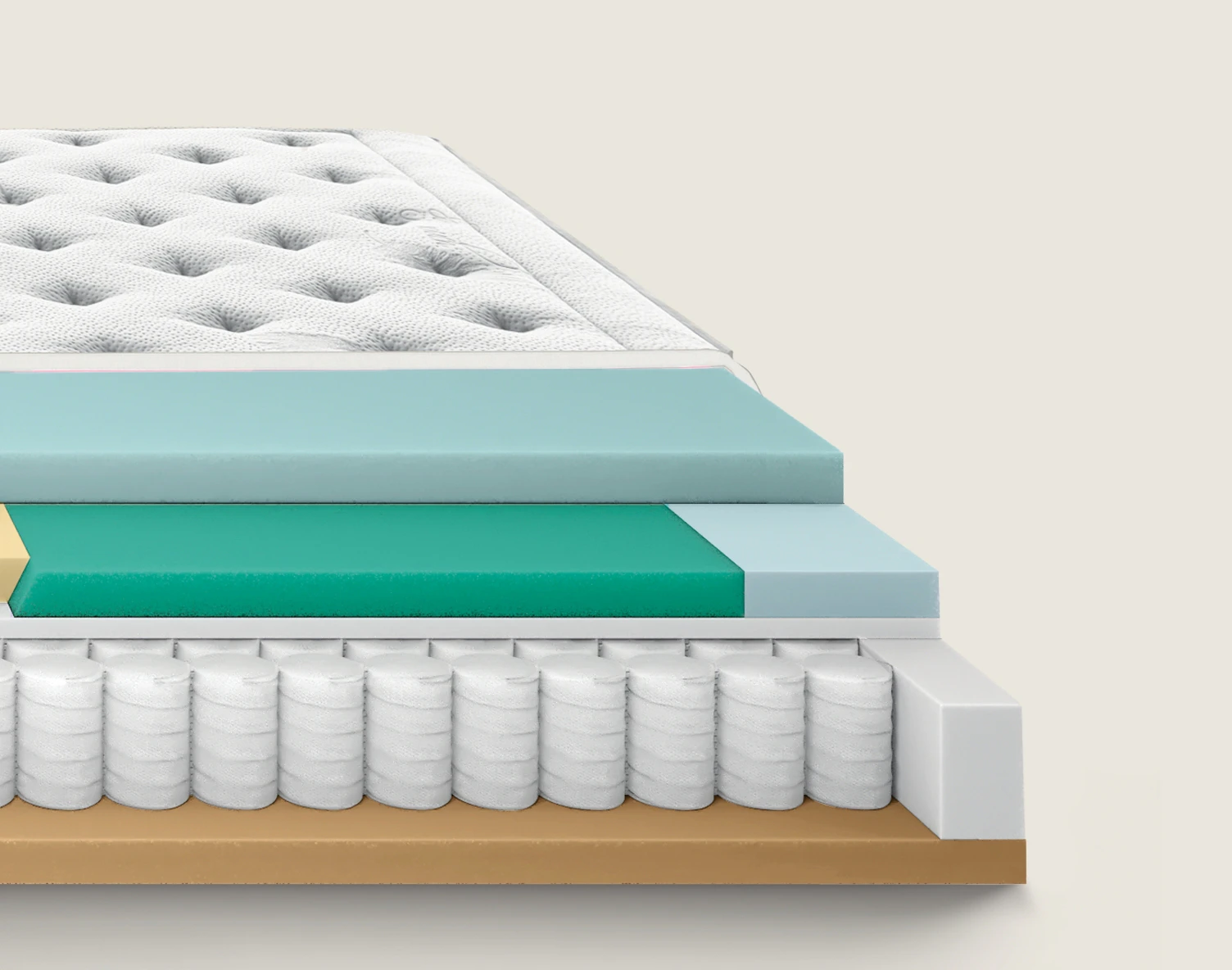
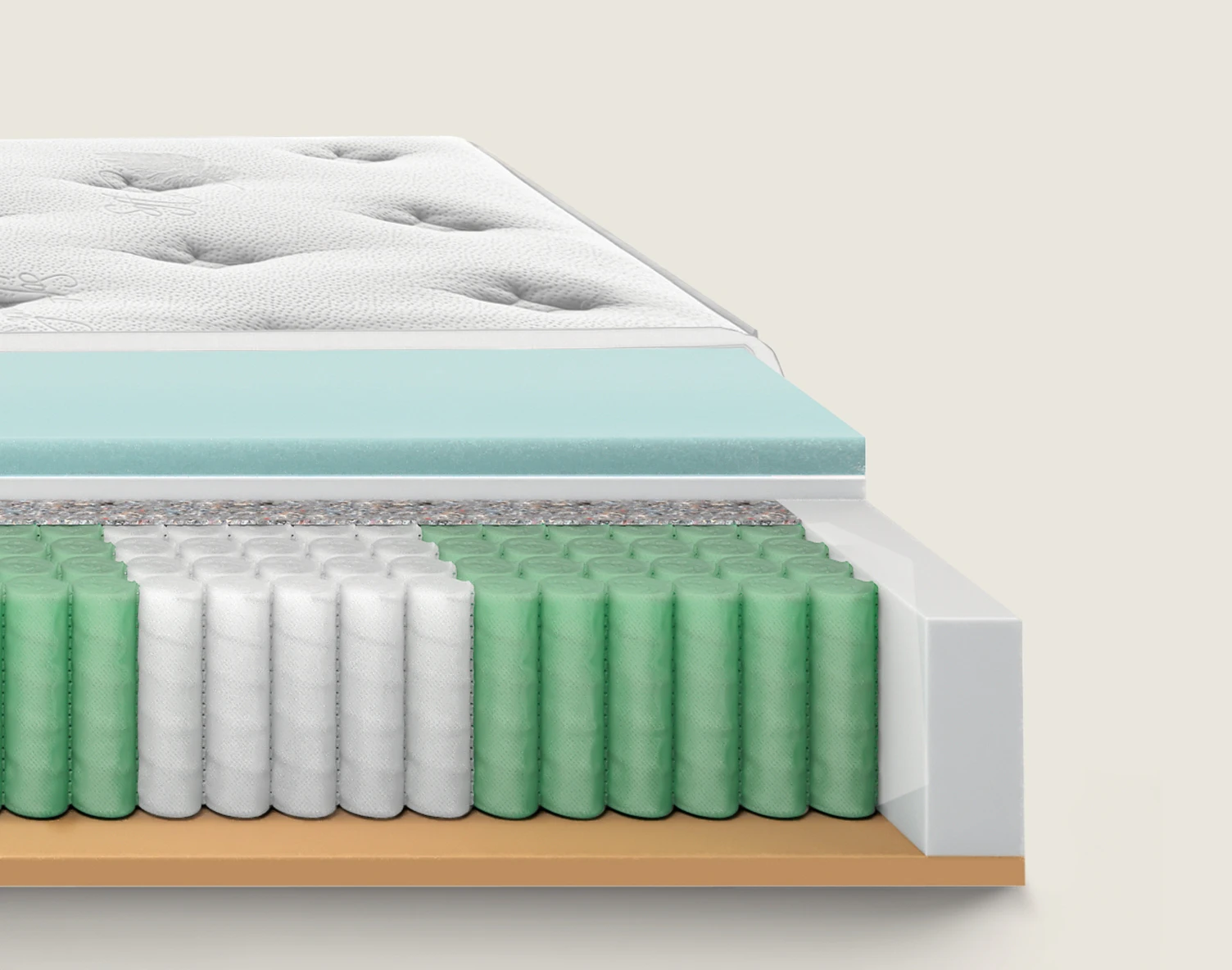
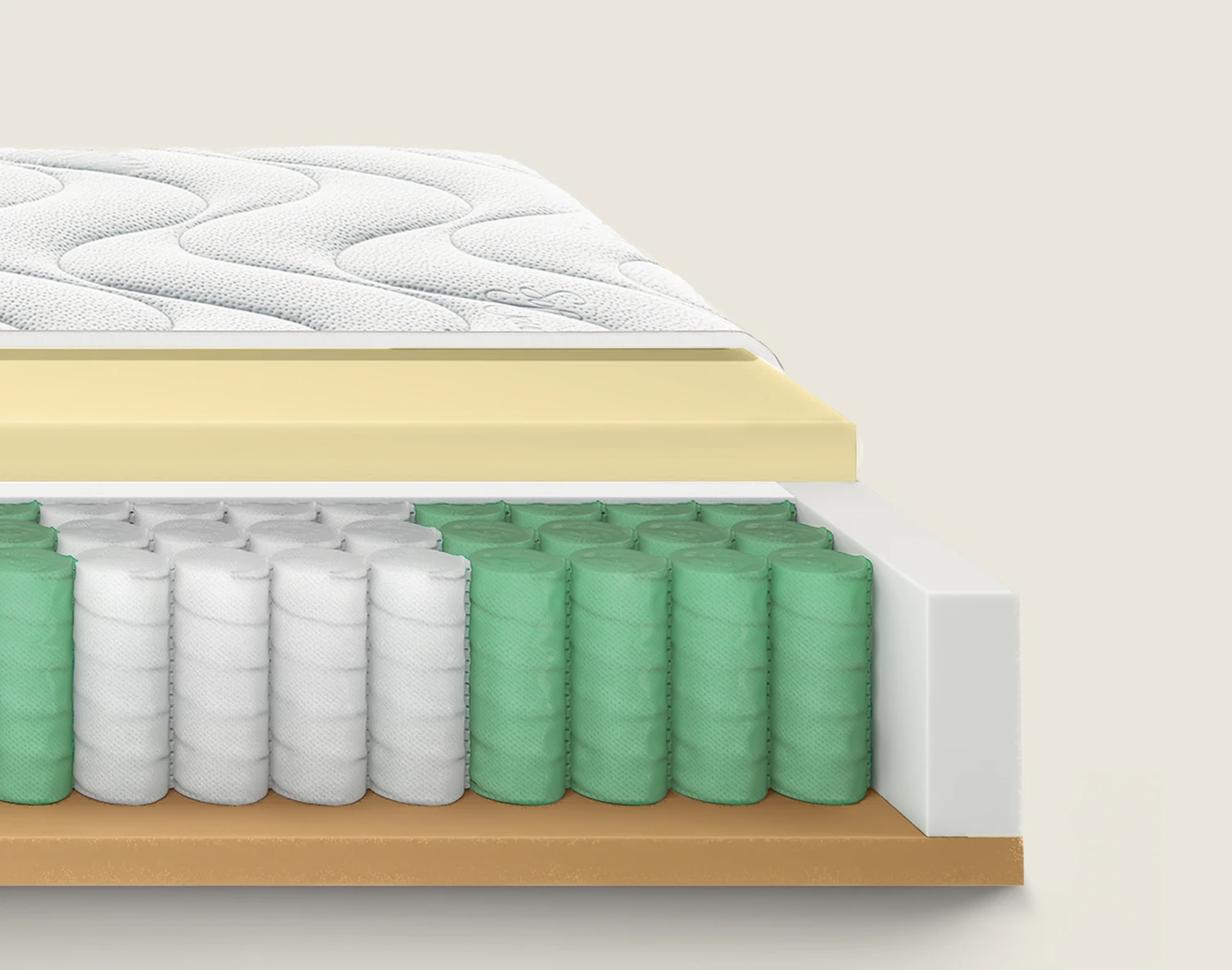
Understanding what determines the cost of a double mattress helps to better evaluate the products being compared. The main elements to consider are the technology of the inner material (memory foam, 100% natural-based latex, eco-sustainable foam, pocket springs, gel, or exclusive technologies such as Tubes®), the density and quality of the materials, the thickness of the mattress-which in quality models ranges from 20 to 30 cm-and the certifications obtained, including health, environmental certifications such as FSC® and PEFC, and classification as a CE Medical Device. The place of production should also be added: mattresses handmade in Italy have higher production costs than imported ones, but they offer quality standards and control of raw materials that are hard to find elsewhere.
Spring mattress, memory or latex: which is better?
There is no universally superior technology: the choice depends on the specific needs of the sleeper.
The environmentally sustainable foam is the choice of those who want a high-performance mattress with a reduced environmental impact. In each case, the quality of the materials within each technology is as crucial as the technology itself.
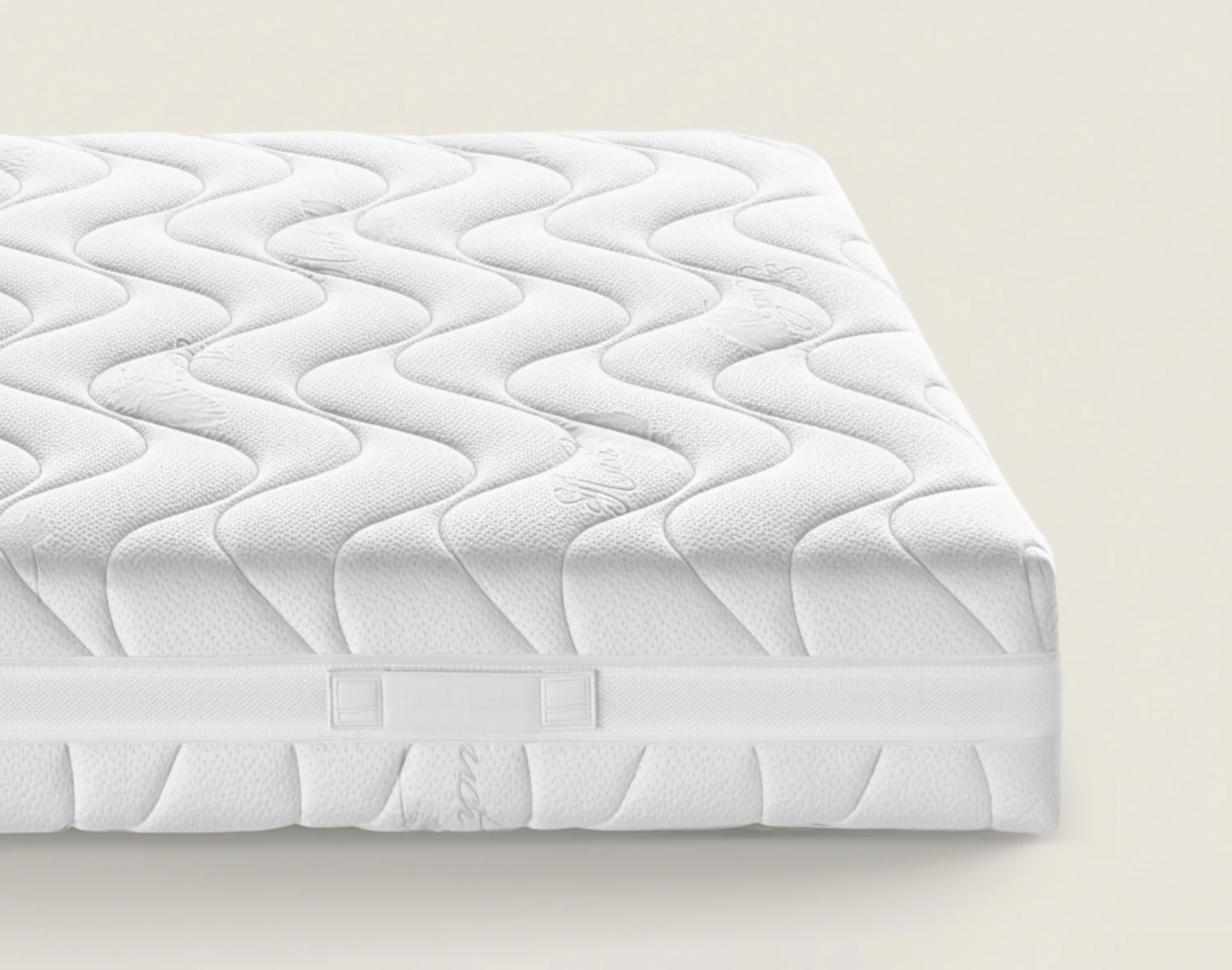
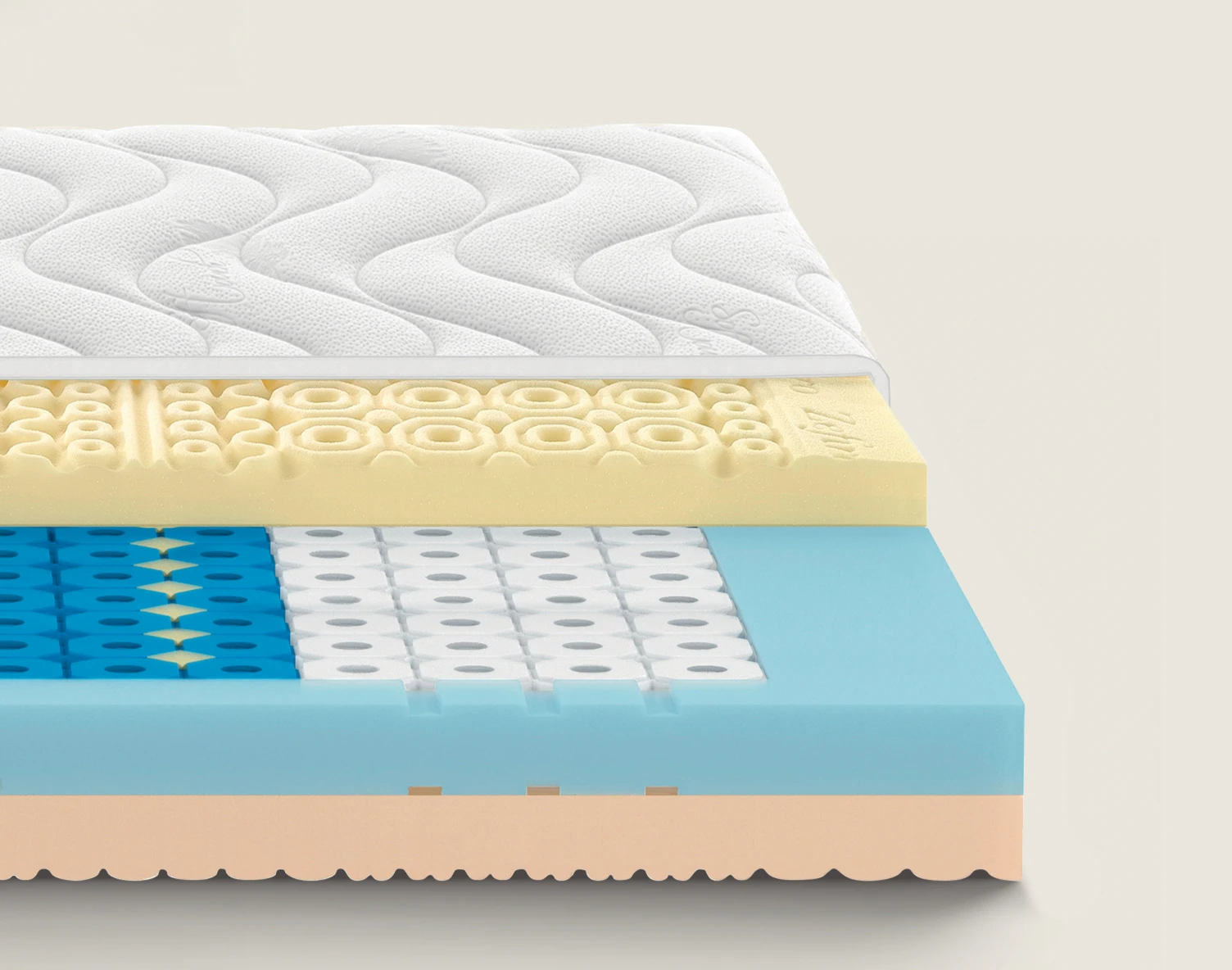



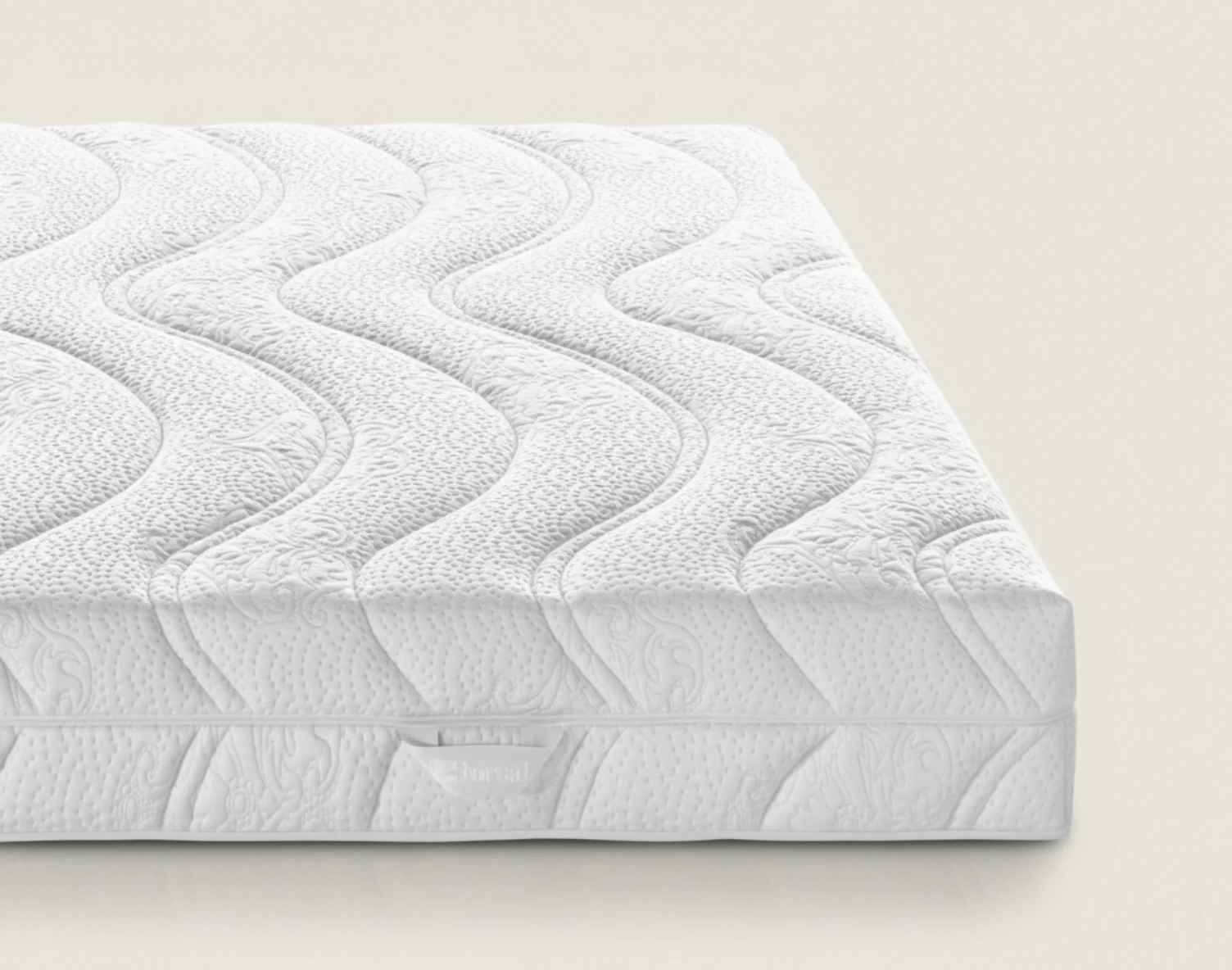
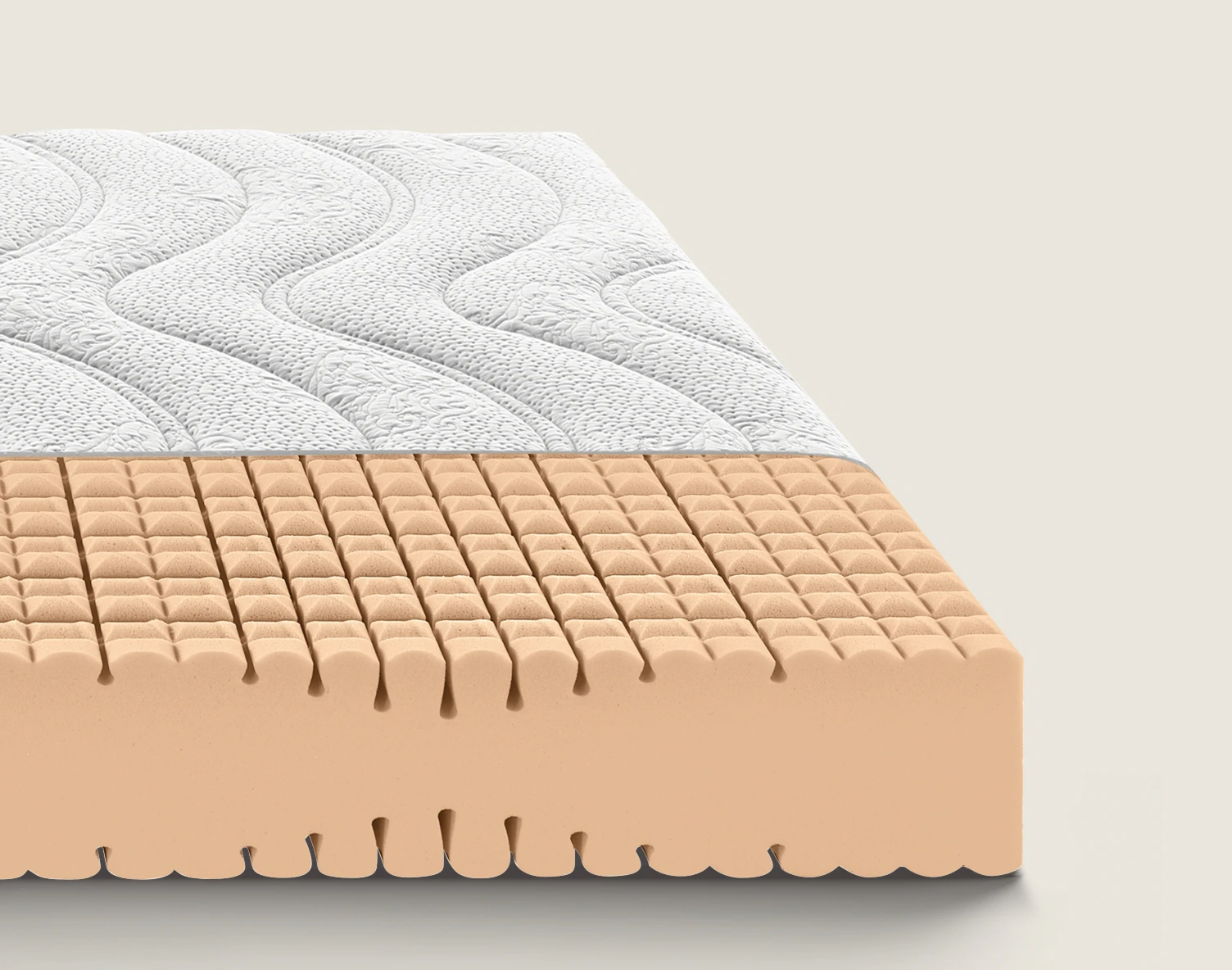
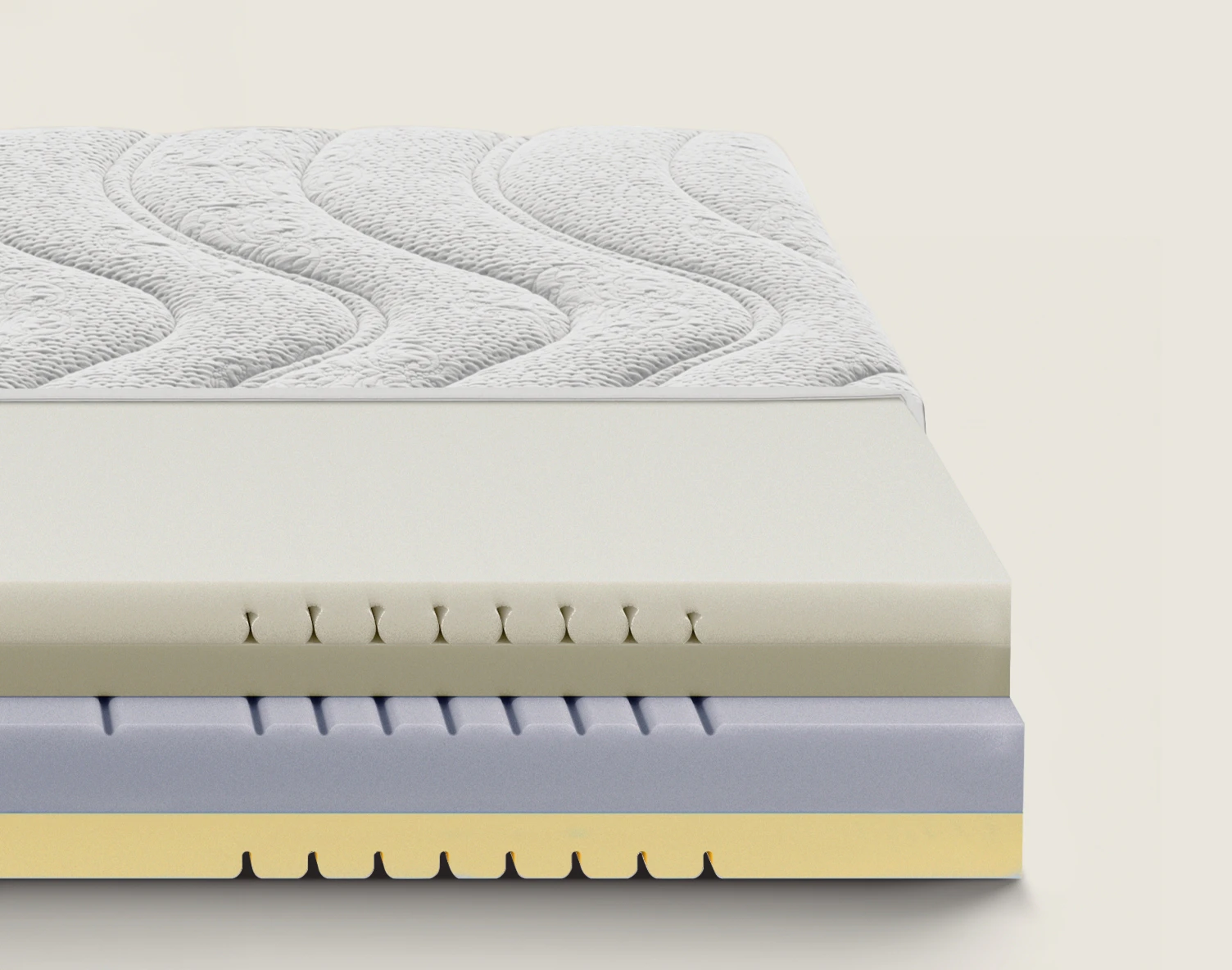
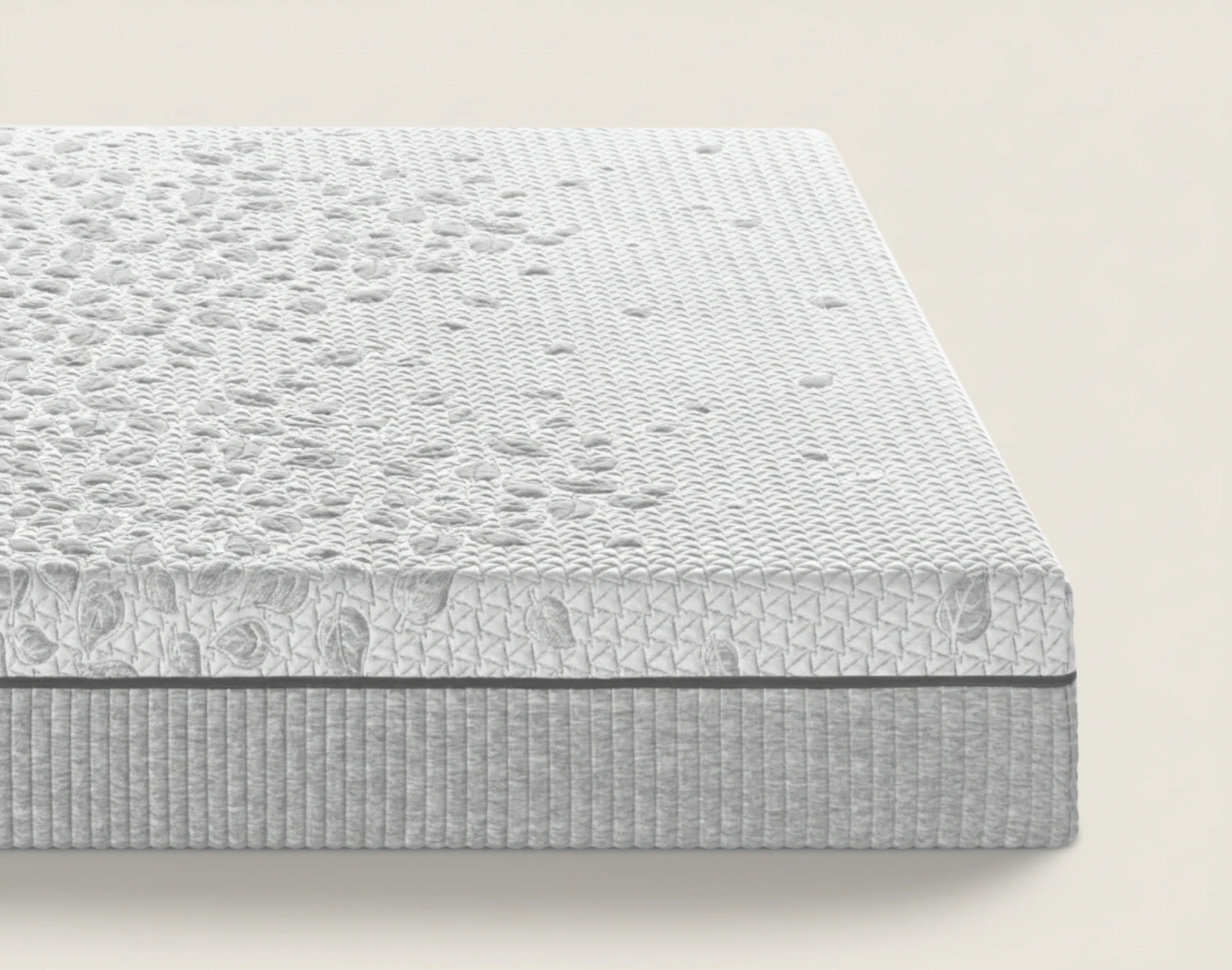
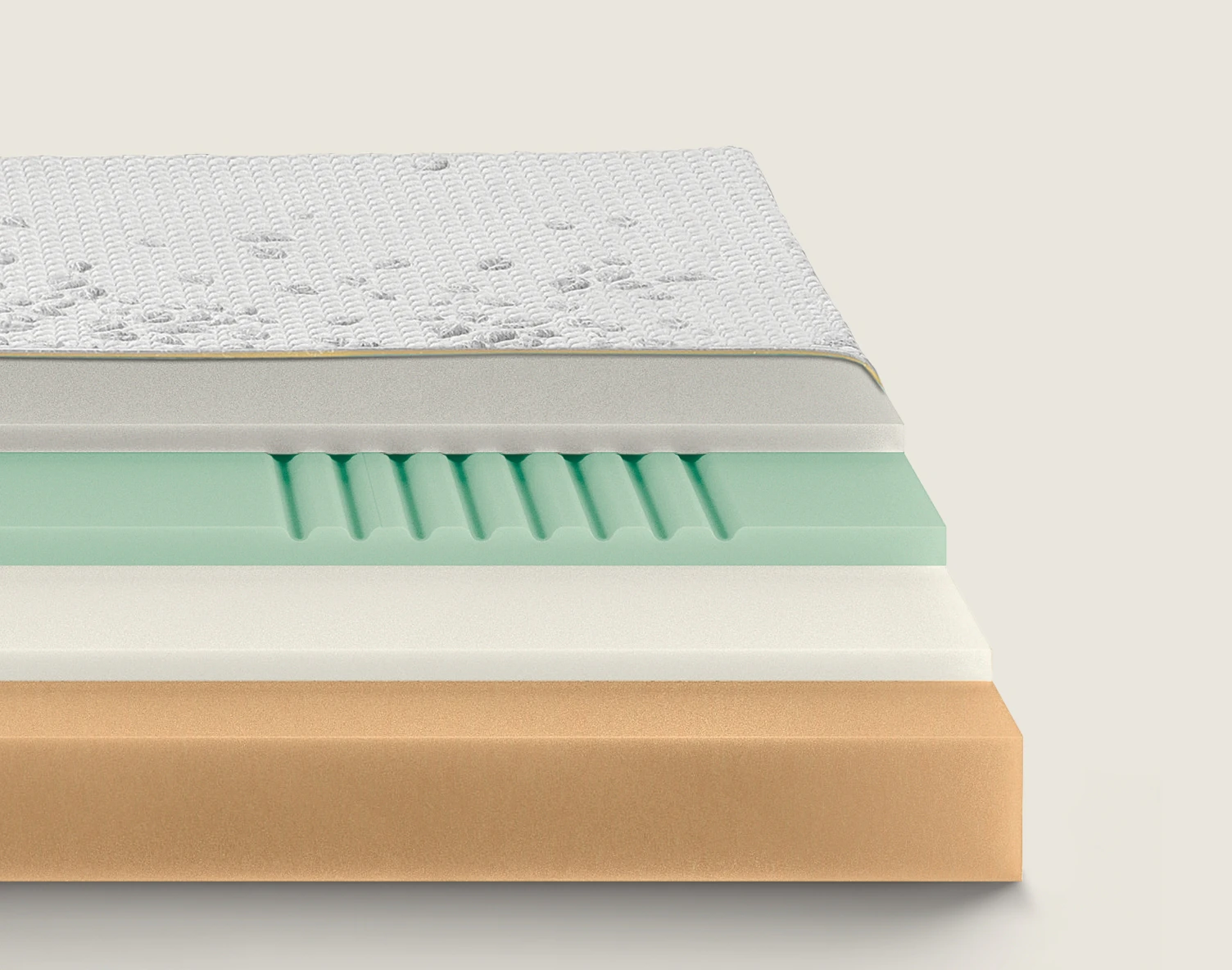
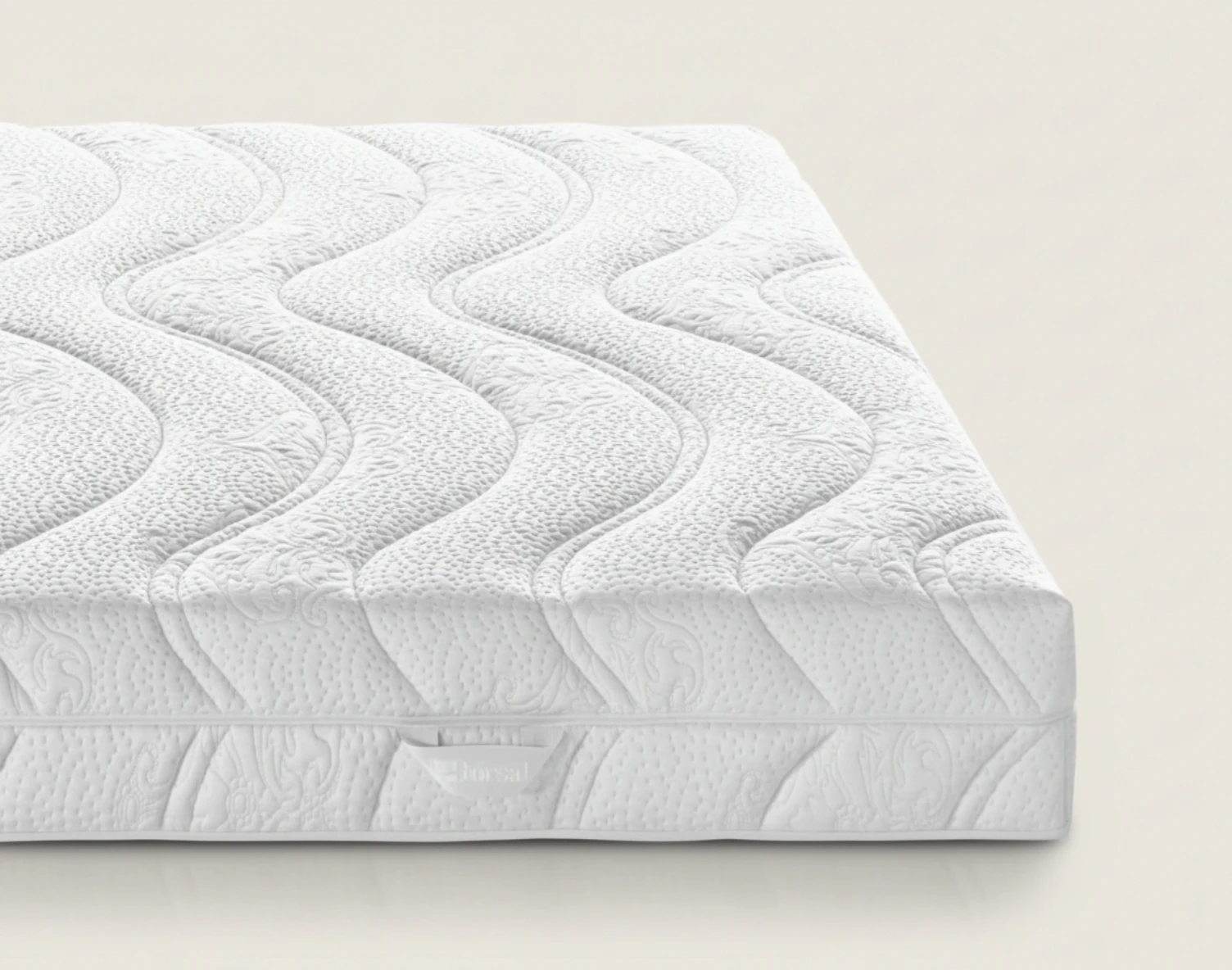
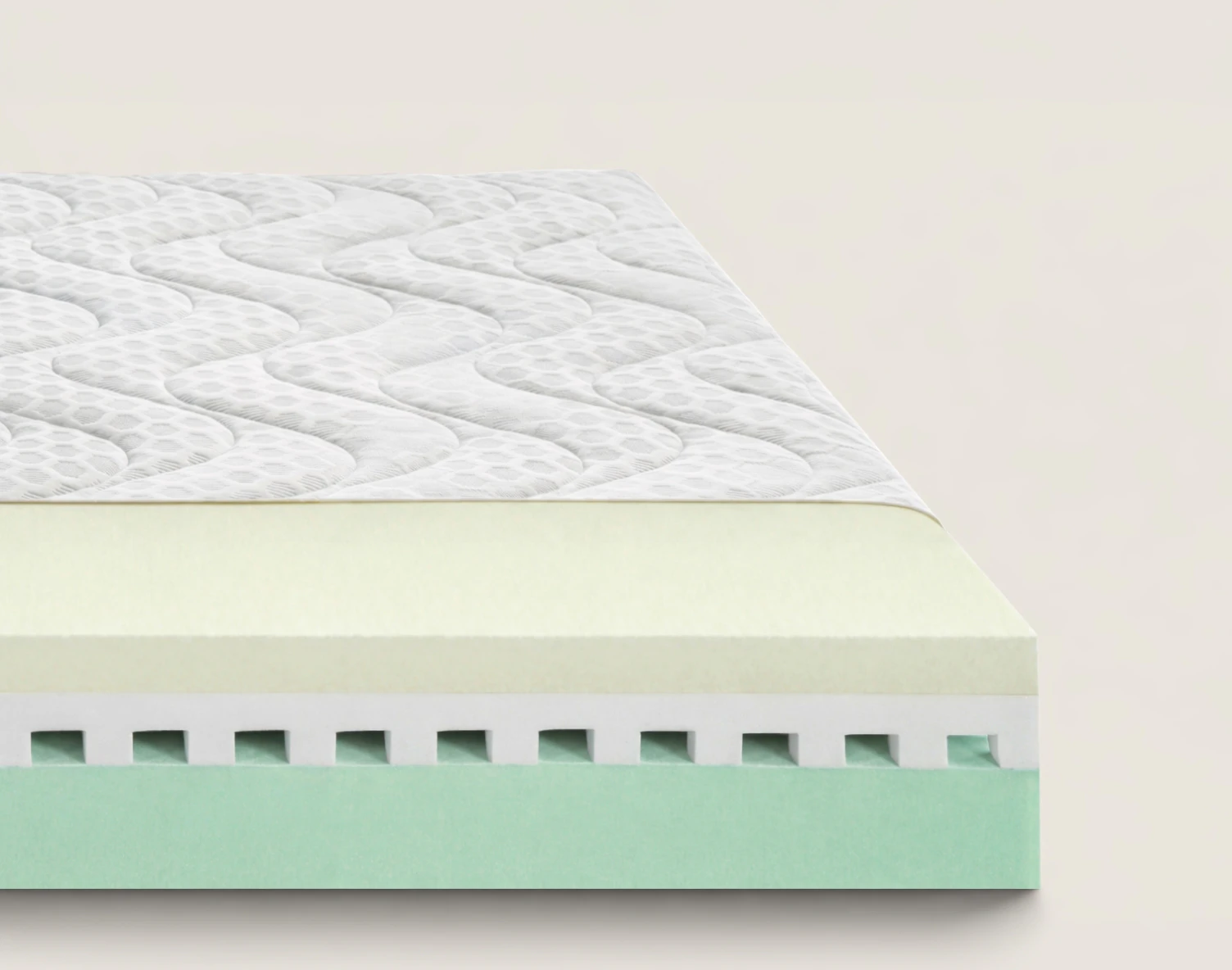
The memory foam fits the shape of the body, providing a progressive hug that is ideal for those with joint pain. A low density memory foam is not comparable to a high density memory foam with certified layers.
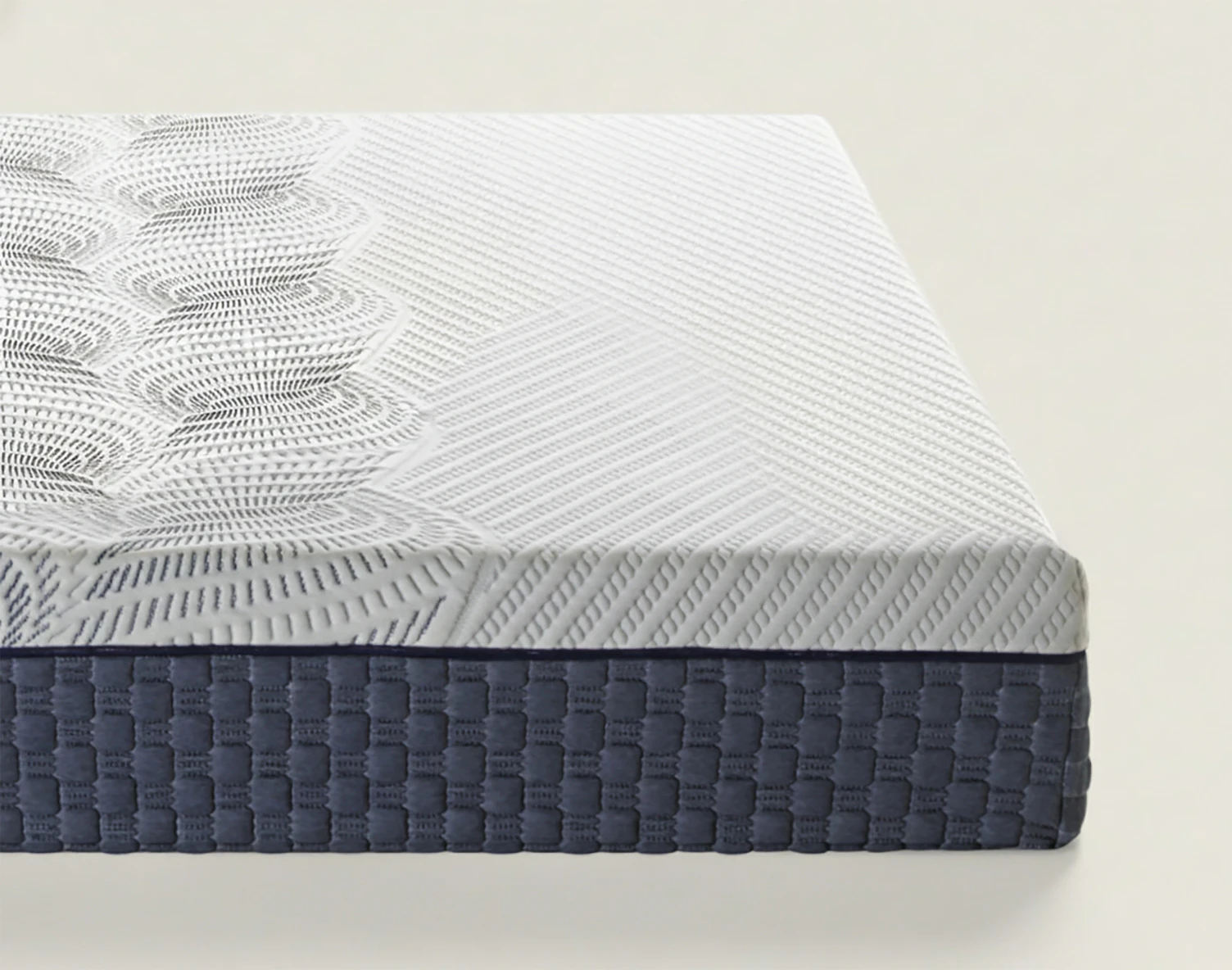
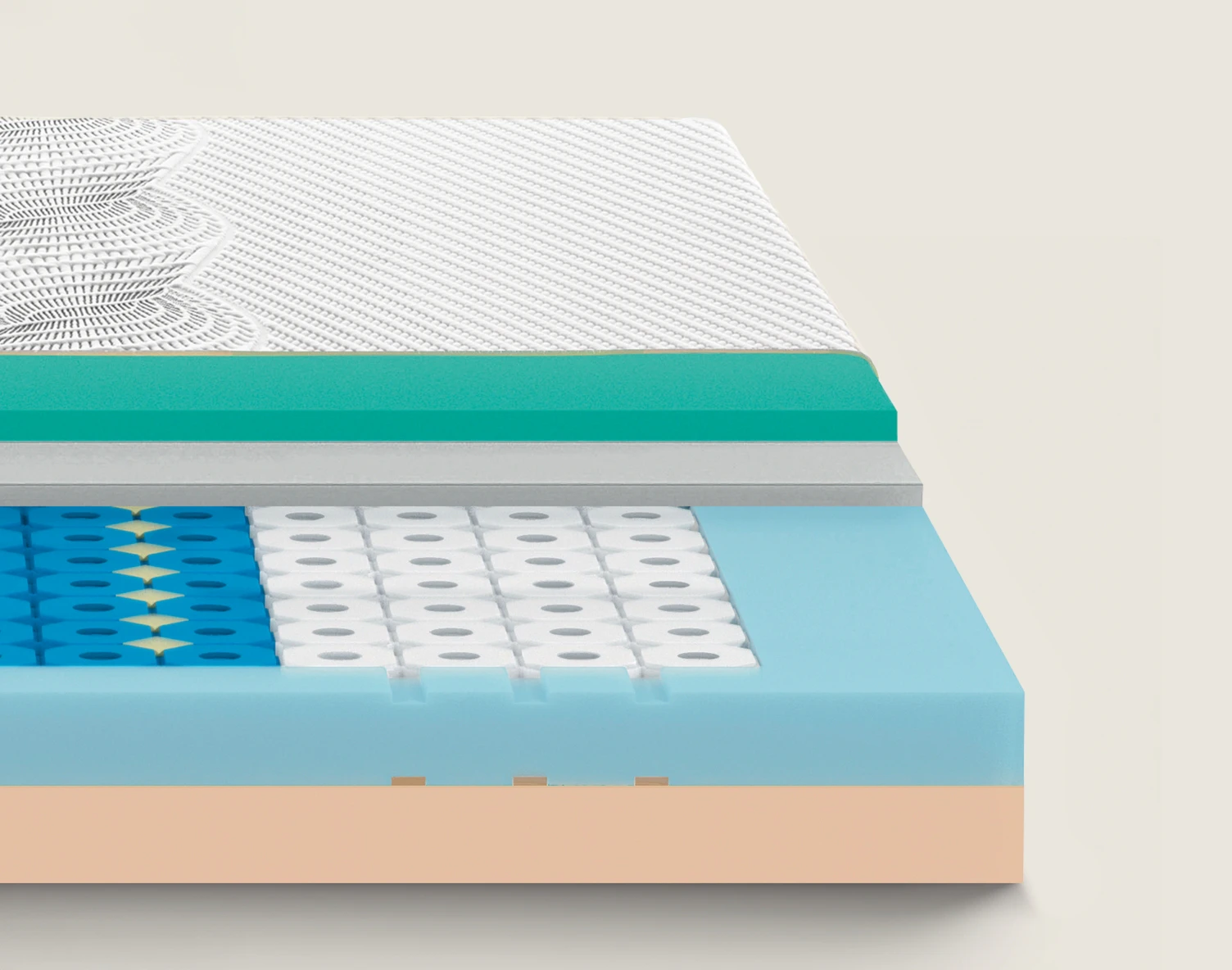
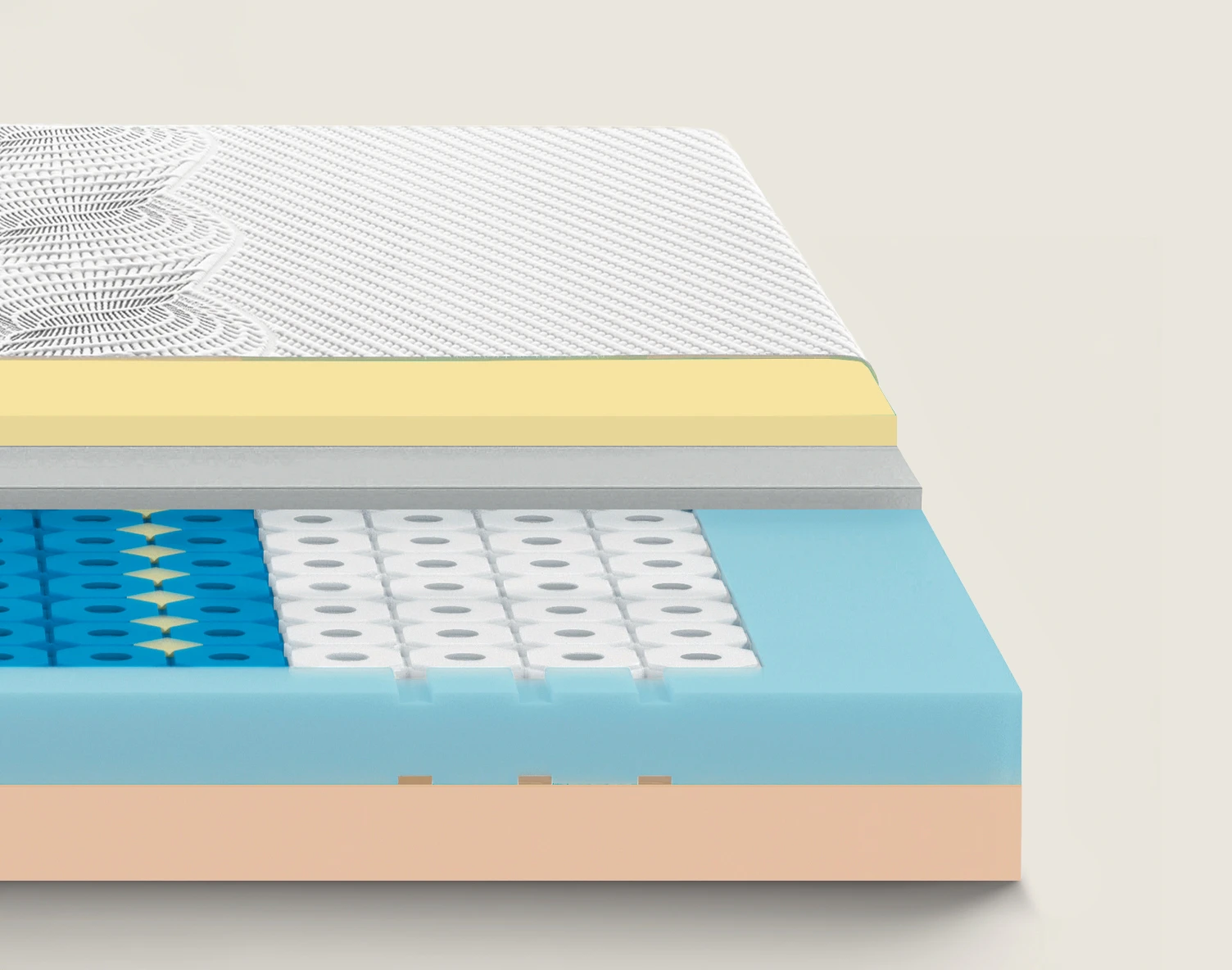
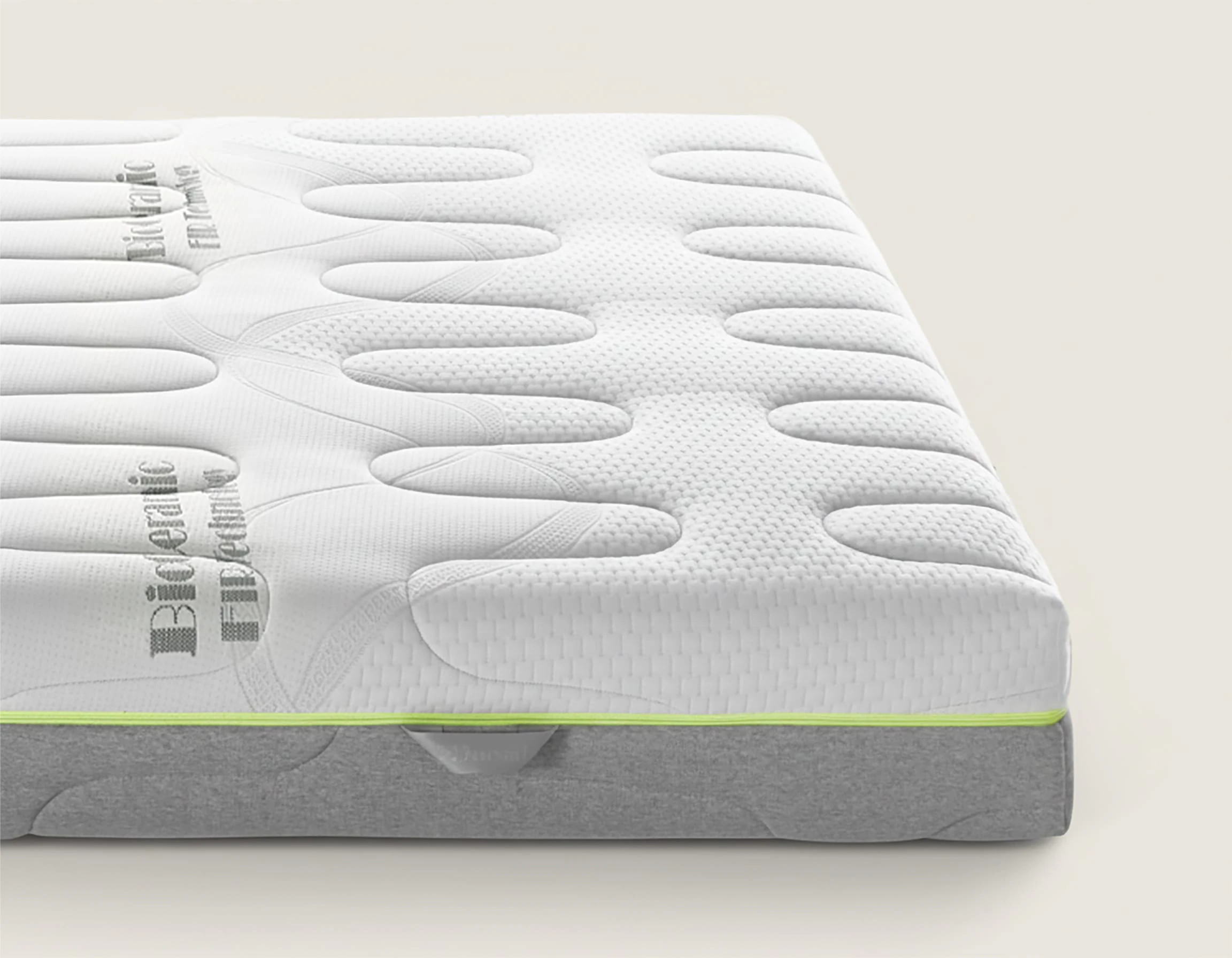
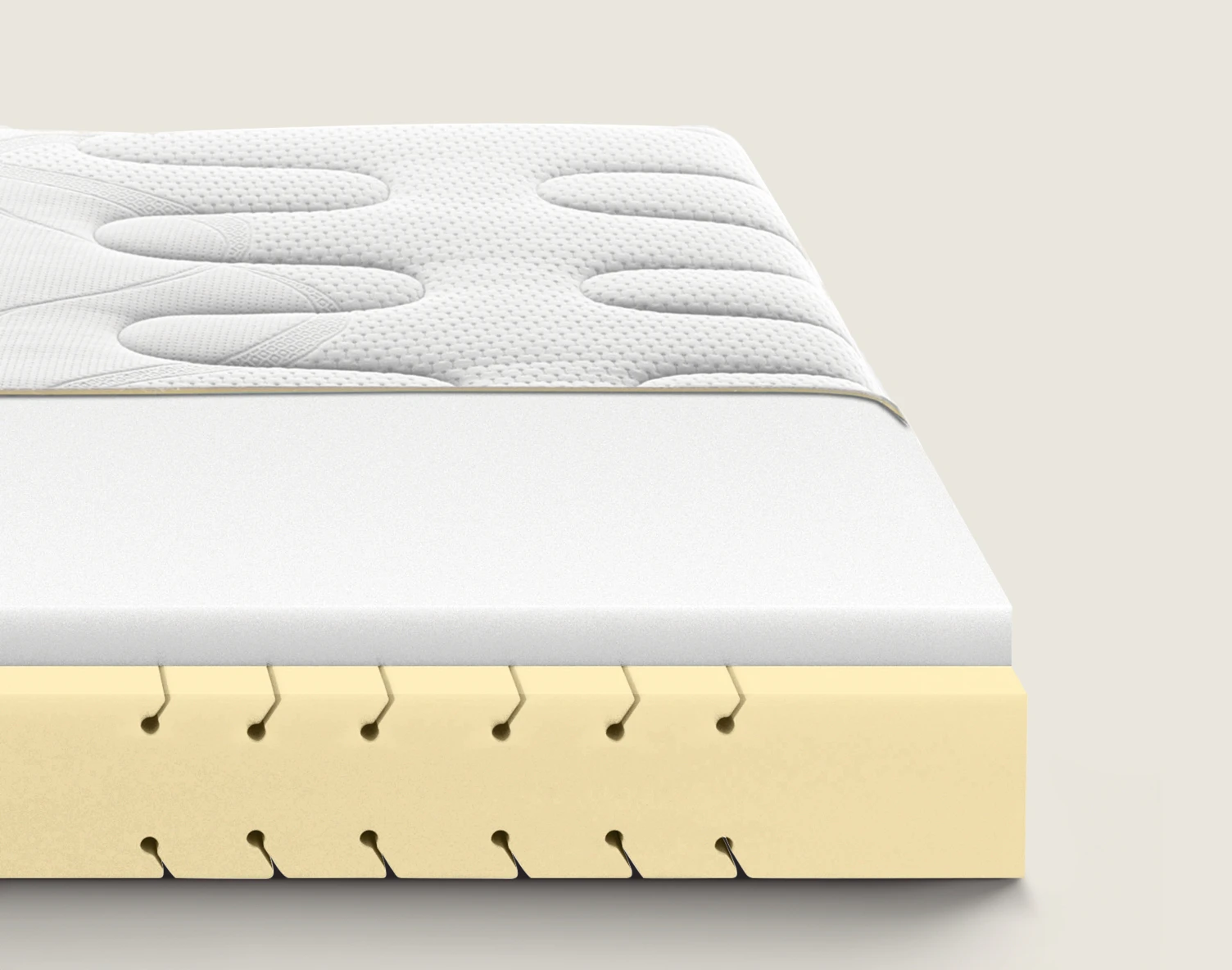
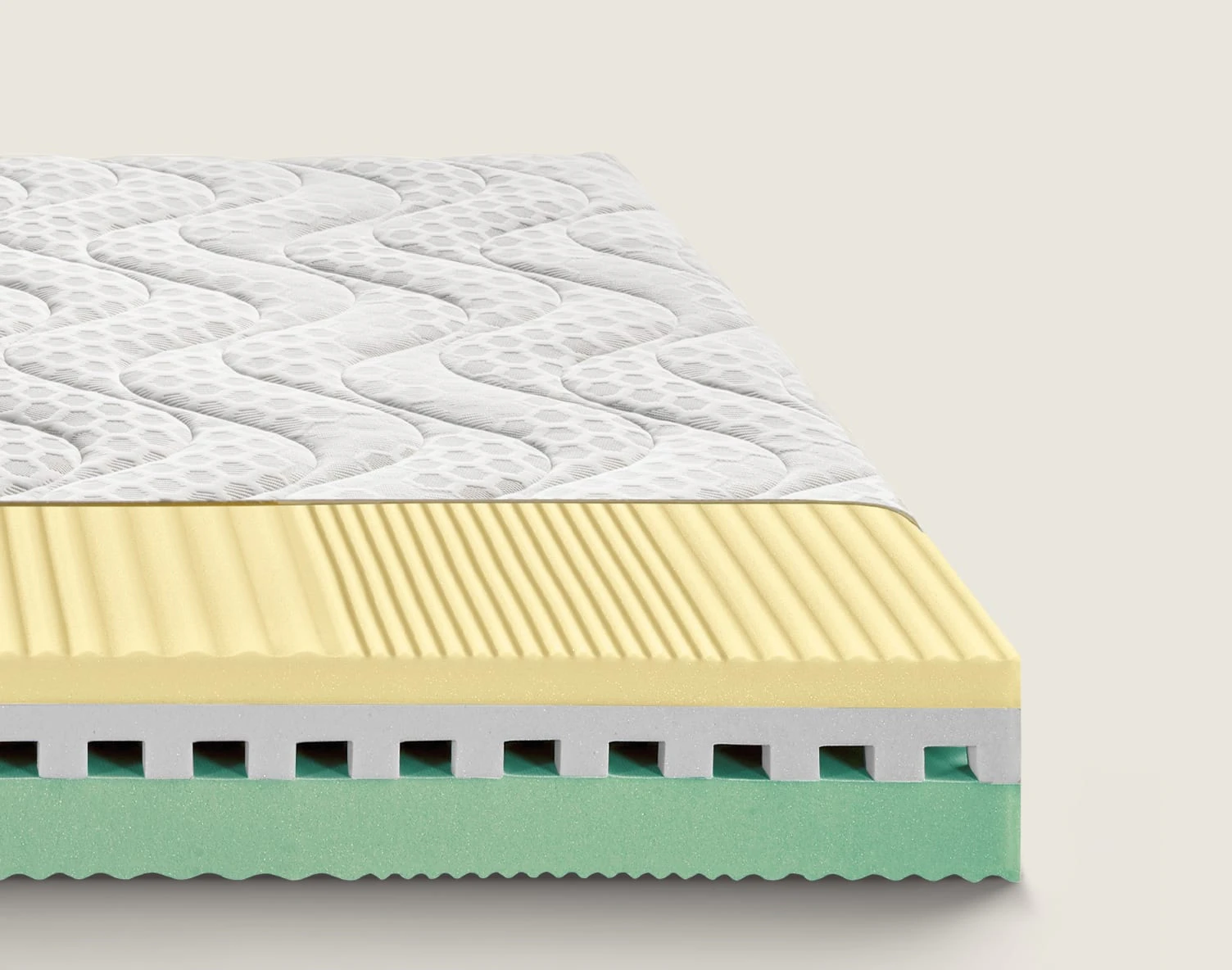
The 100% natural latex is, on the other hand, breathable, stretchy and particularly suitable for those with allergies or who prefer a cool rest.
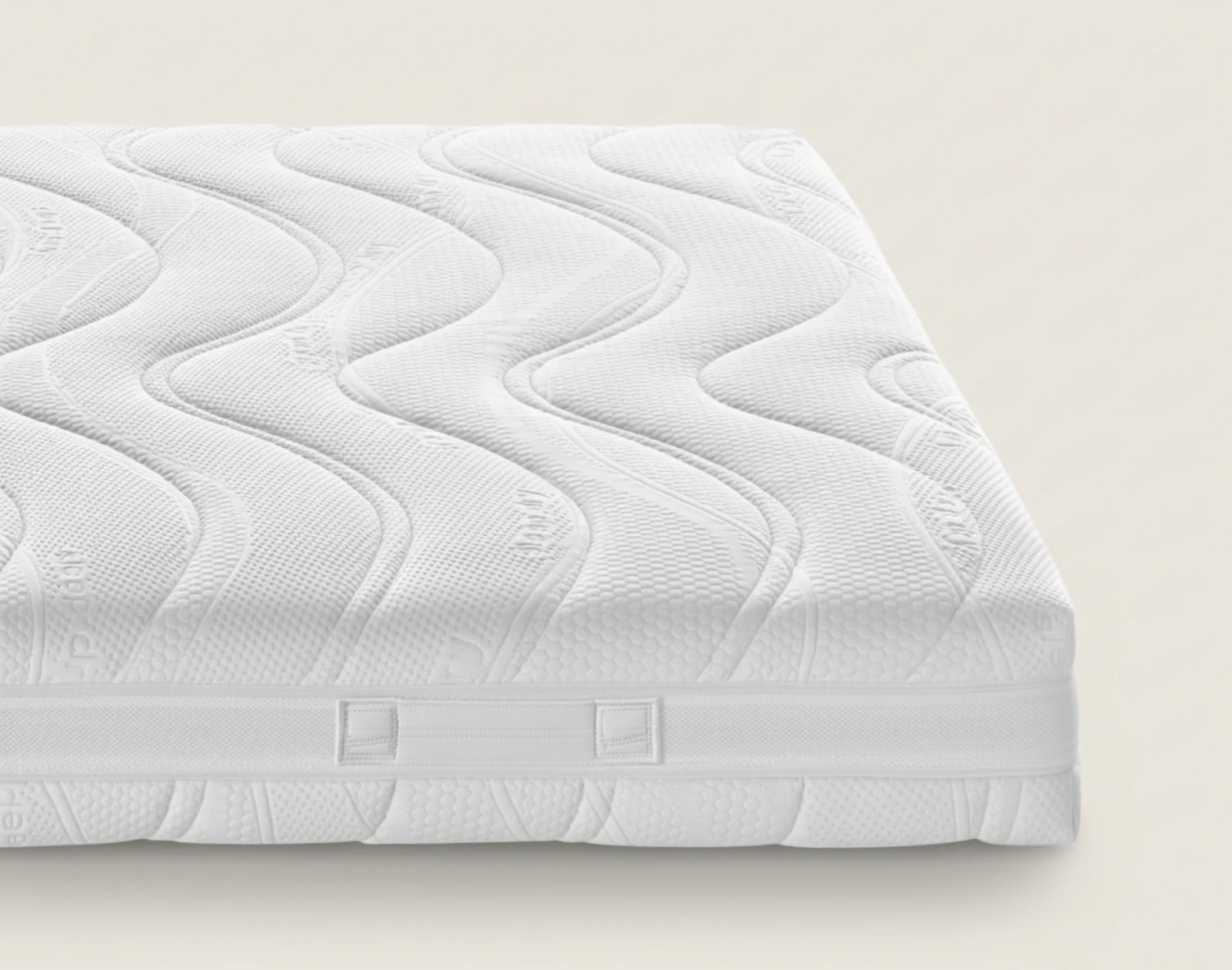
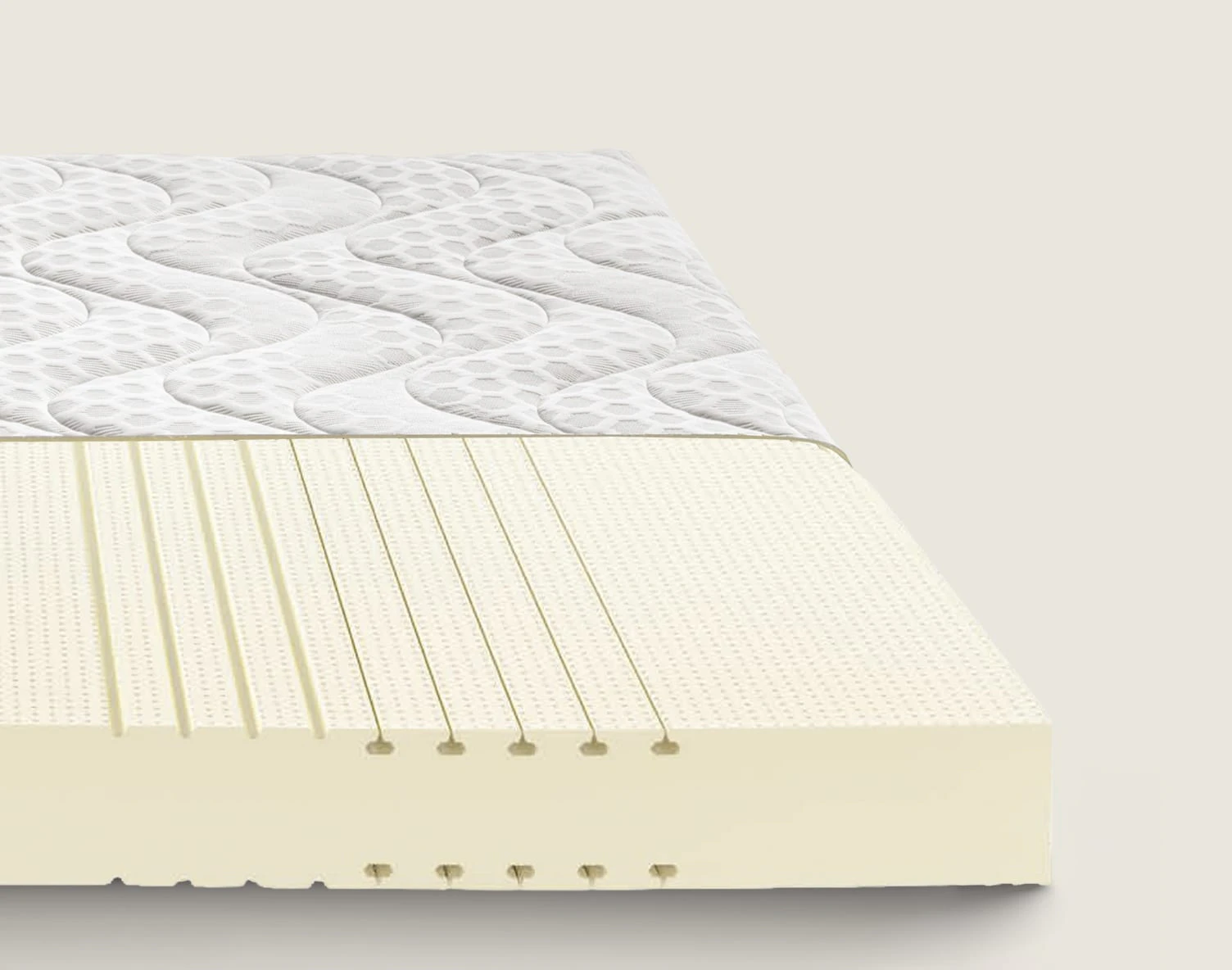
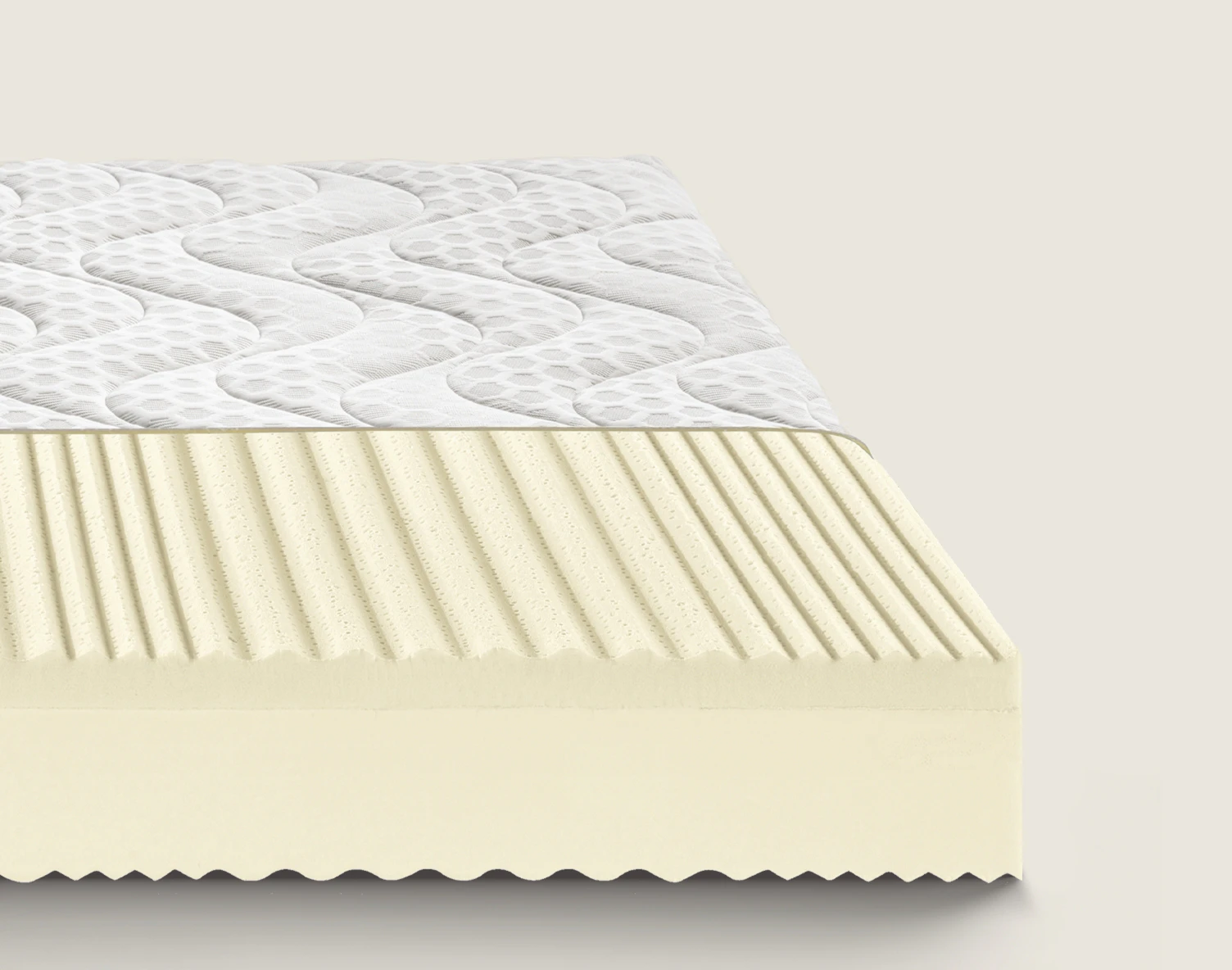
The gel mattresses combine the benefits of high density foam with superior thermo-regulating properties: the gel dissipates body heat at night, making them ideal for those who tend to get hot while sleeping or live in hot climates.
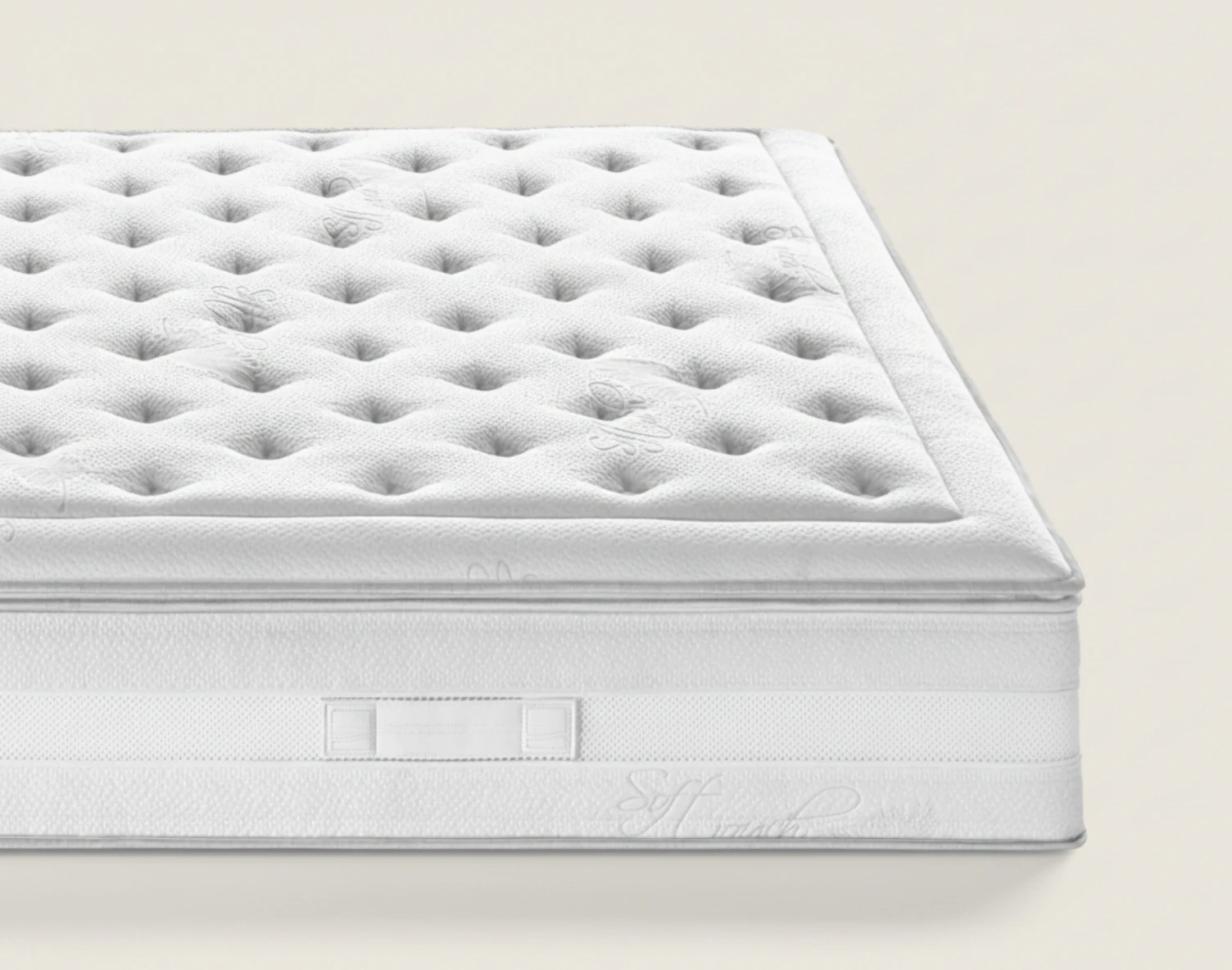
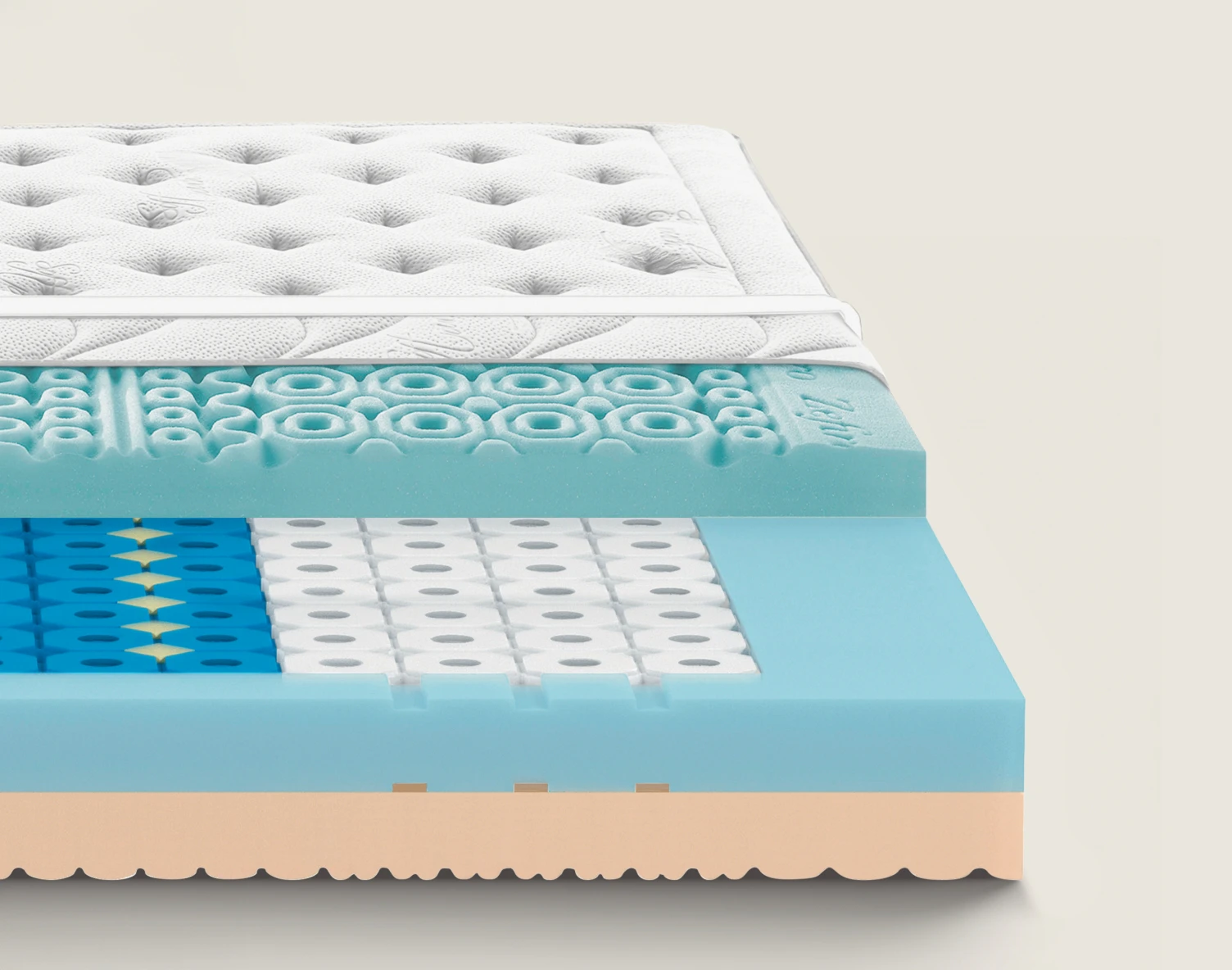
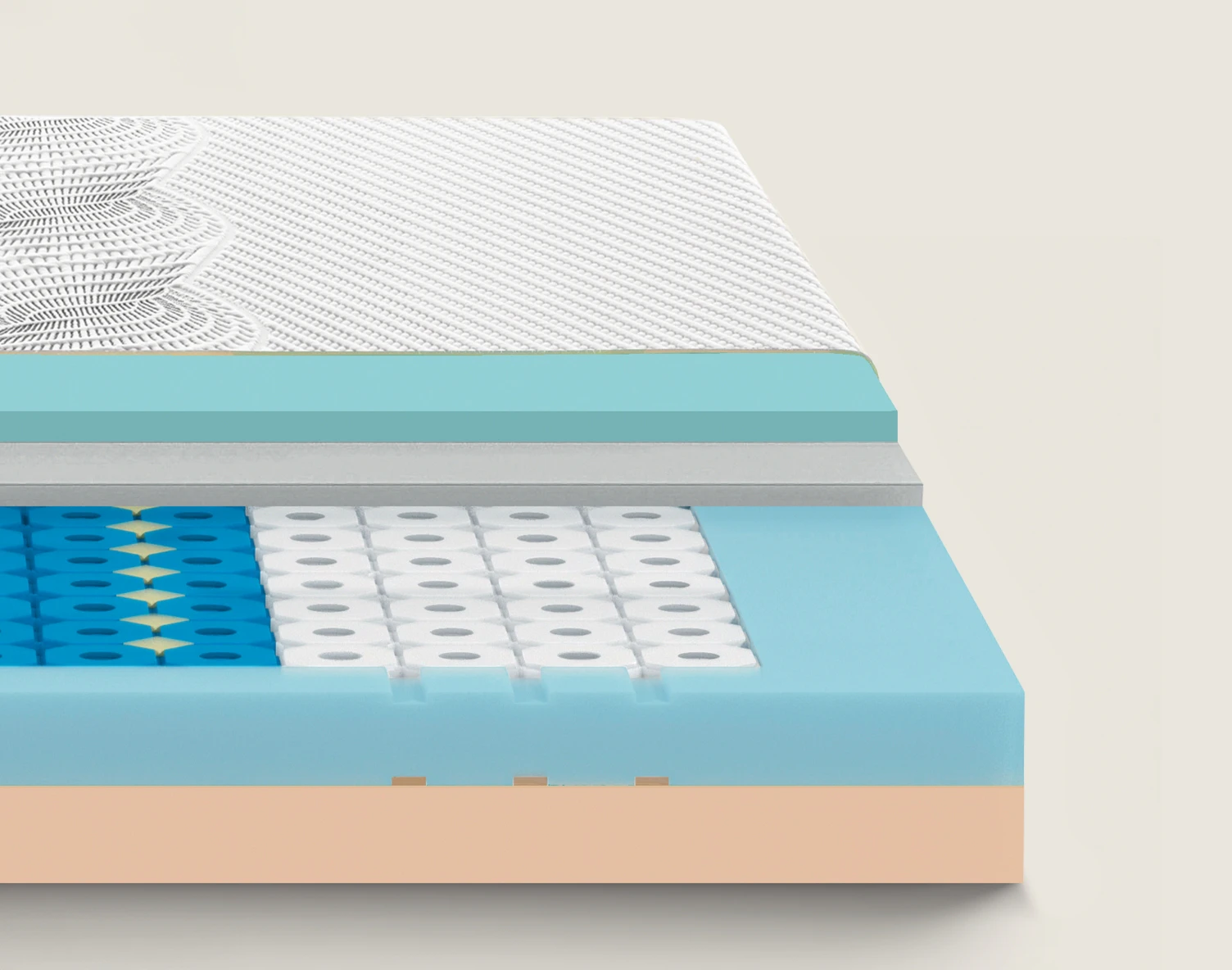
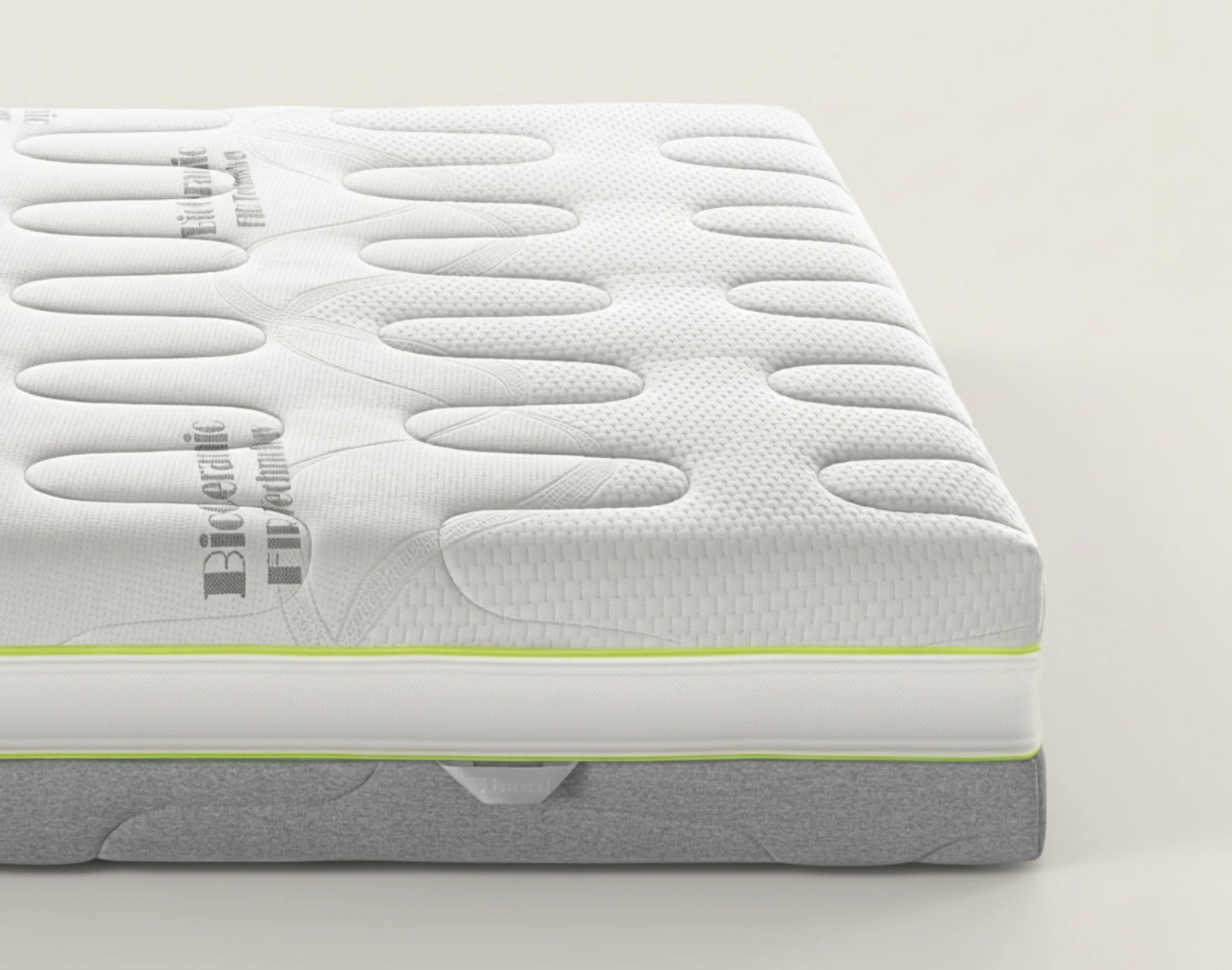
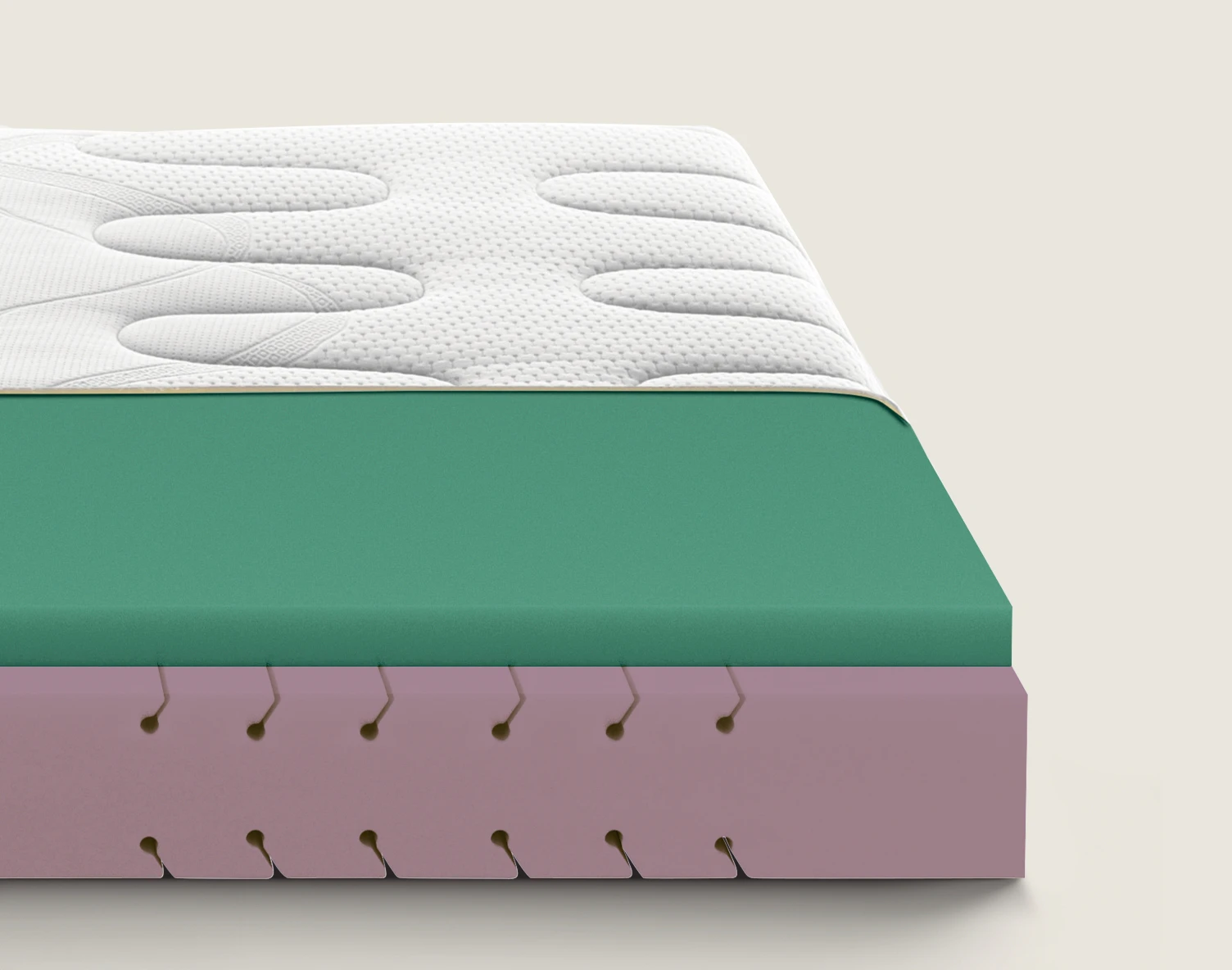
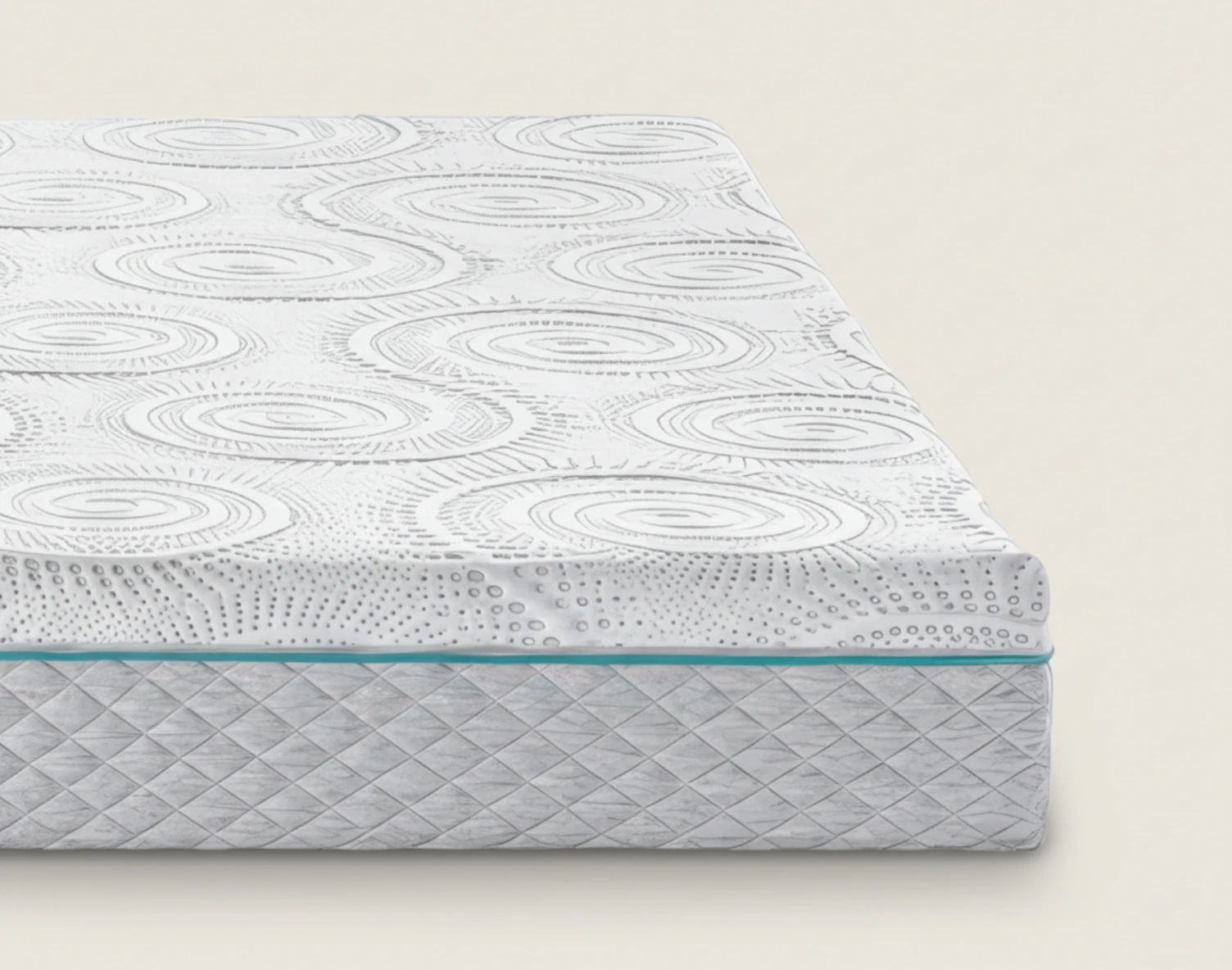
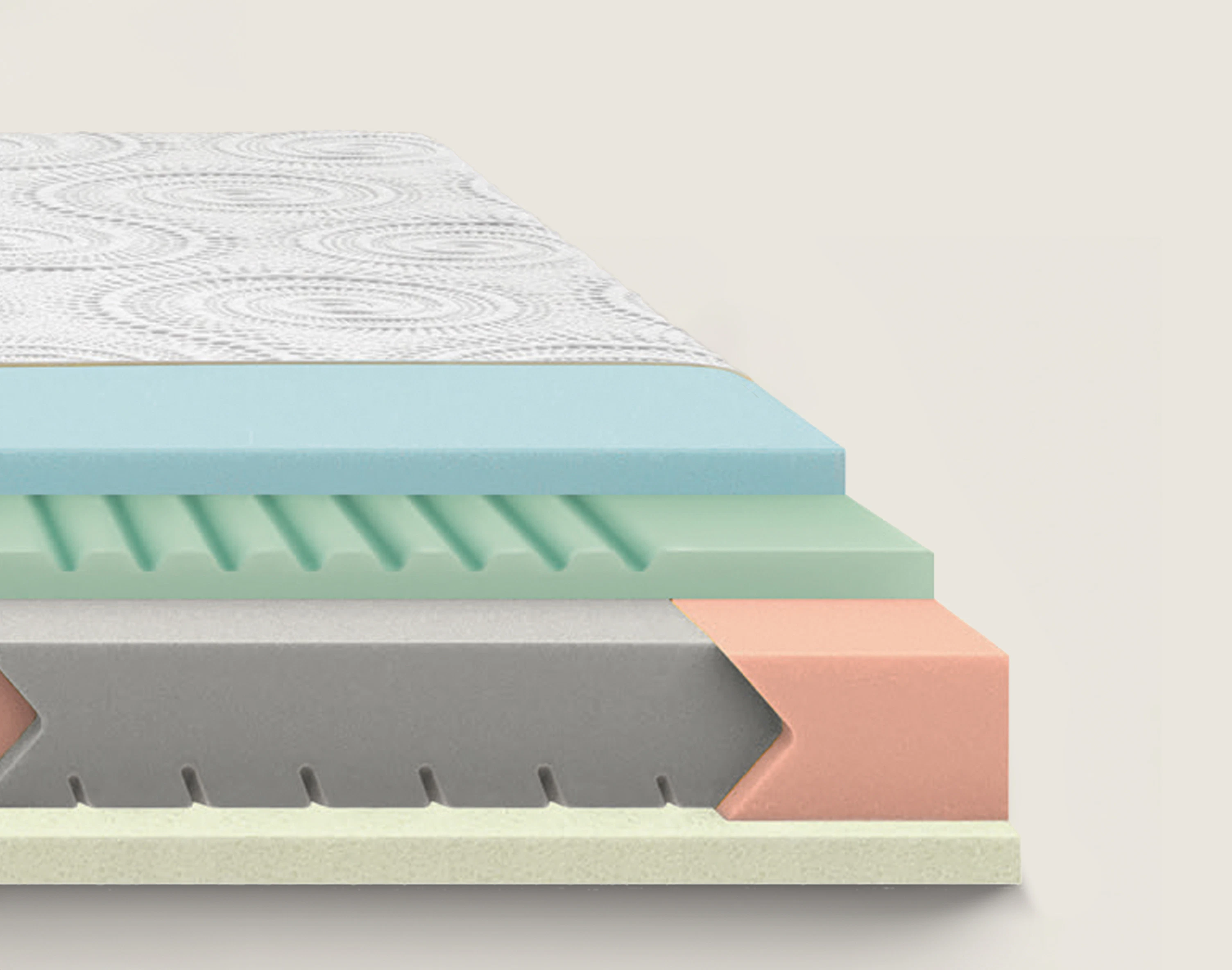
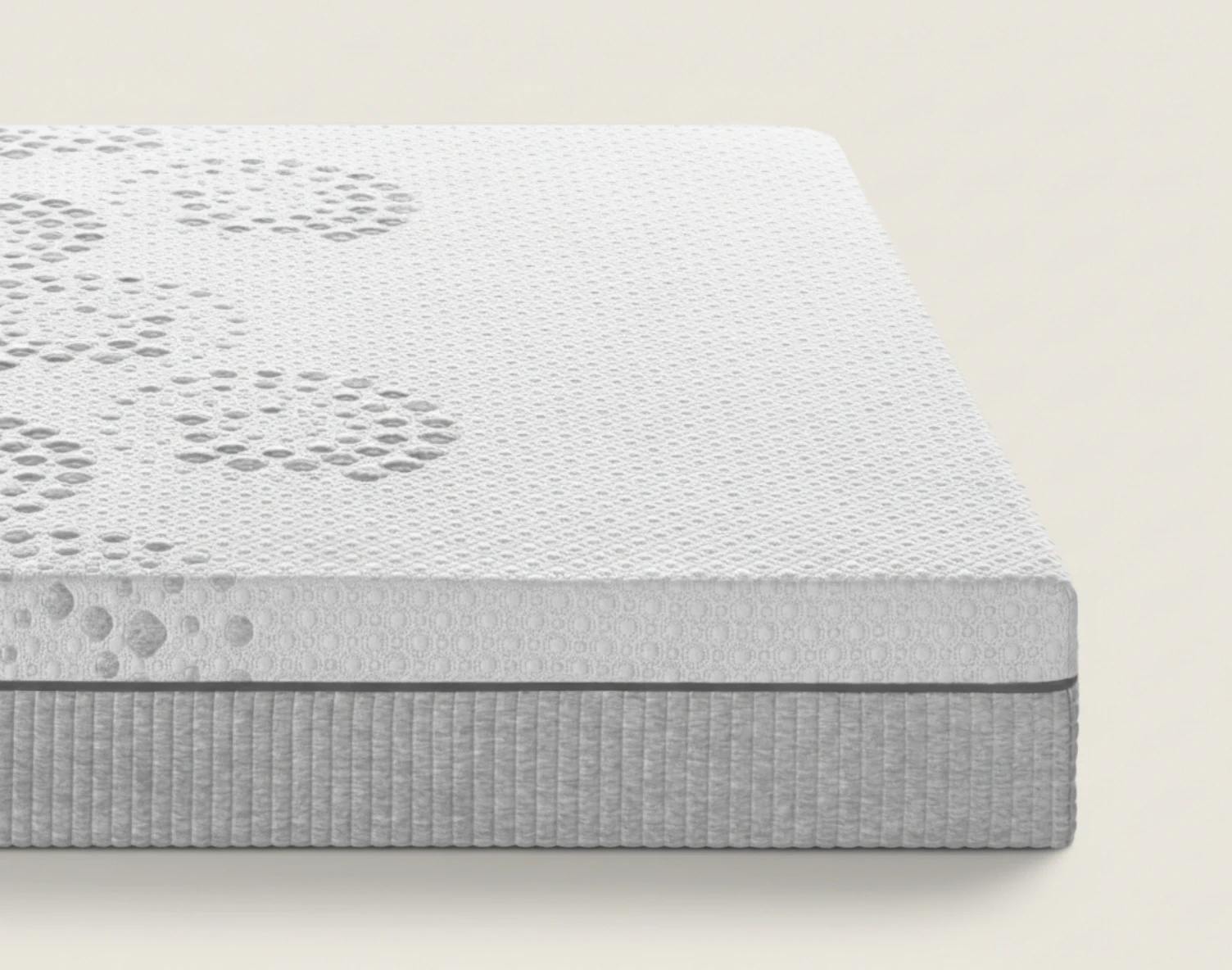
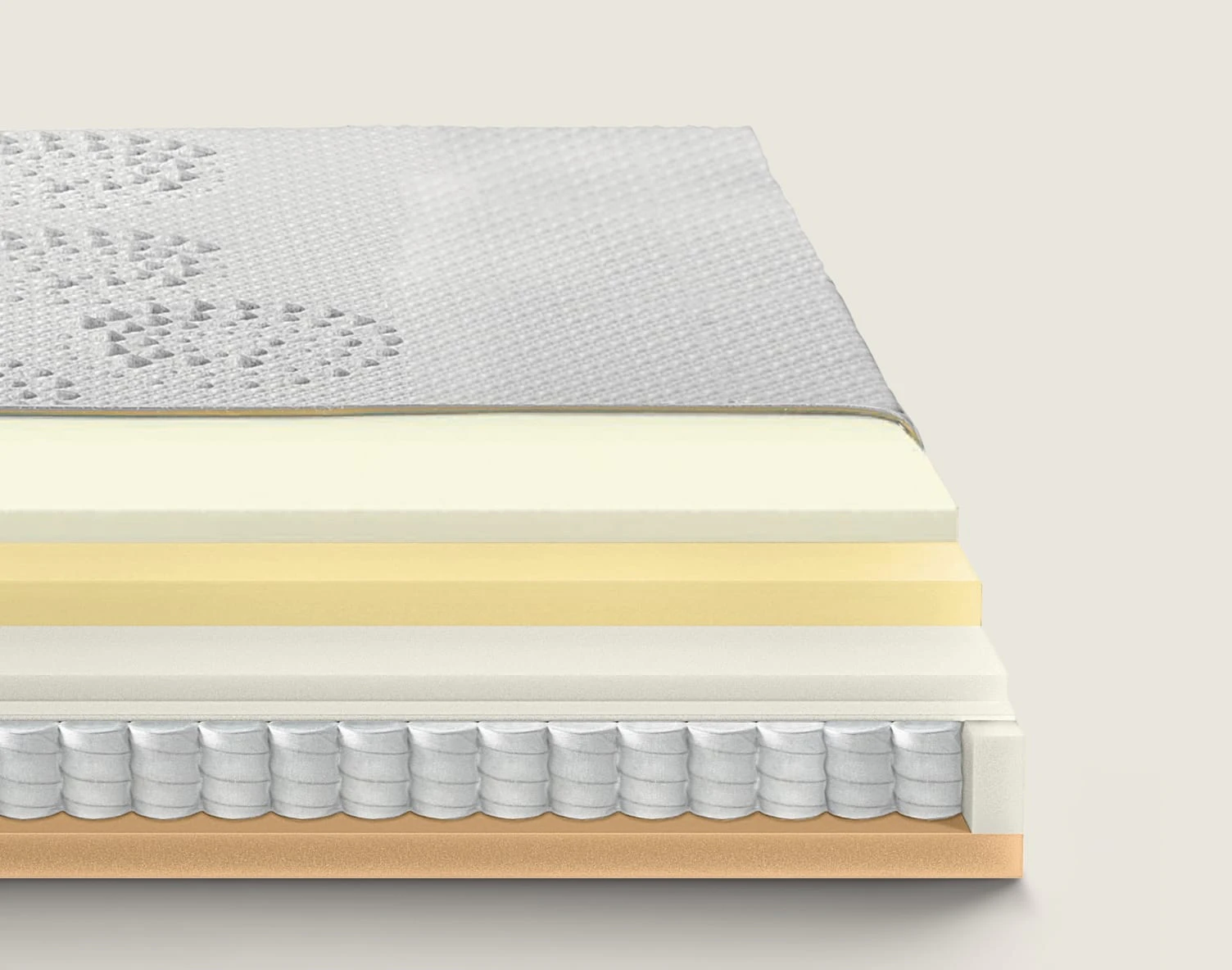
The pocket springs ensure independence of movement between the two partners and excellent ventilation.
Why a quality double mattress is an investment, not an expense
Sleeping 7-8 hours a night means spending about a third of one's life on the mattress. On this basis, the real cost of a high-end mattress becomes much more affordable than it appears: a 2,000 € mattress that lasts 10 years has a daily cost of less than 0.55 € - less than a coffee at the bar.
In addition to saving money over time, a proper mattress directly affects sleep quality, back spine health, and nighttime physical resilience. Some Dorsal models are classified as Class I medical devices, which means that their ergonomic benefit is not only declared, but certified according to the EU MDR 2017/745 Regulation.
What to check before you buy
Before buying a double mattress, it is useful to check some often overlooked information: the effective density of the inner layers (not just that of the mattress cover), the origin of raw materials e environmental certifications, the presence of compliance certifications, the warranty durability / lifespan and the after-sales service conditions. At Dorsal, every mattress is tested and guaranteed, with the option of extend the warranty through the dedicated program. The suggestion is always to try the mattress physically at a authorized dealer or a Dorsal DEP (Dorsal Experience Point) because the perception of comfort is subjective, and no data sheet can replace a direct test.
How much to spend on a double mattress: advice from Dorsal
If you're looking for a compromise between quality and affordability, the €1,000 and up range already offers products with good ergonomics and durability. If, on the other hand, you want a complete bed System - mattress, bed base (with legs) and pillows - designed for your long-term well-being, the investment in the premium range will pay off over time, both in terms of durability / lifespan and quality of rest.
Dorsal has been making double mattresses in Italy since 1932, with patented technologies, certified materials and recognition of the Italian Association of Physiotherapy (A.I.FI.). Each Bed System is designed to fit the specific needs of its user-not the other way around. Discover Dorsal's full range of double mattresses and compare available technologies to find the one that fits you the most.